
Brooklyn Museum Presents Large-Scale Manga Exhibition
Art of Manga
Saturday, October 3, 2026 through Sunday, January 31, 2027
Brooklyn Museum – 200 Eastern Parkway, Brooklyn
Admission: $30 Adults | $21 Seniors, Students, and Visitors with Disabilities | $12 Children Ages 4-12 | Free for Brooklyn Museum Members
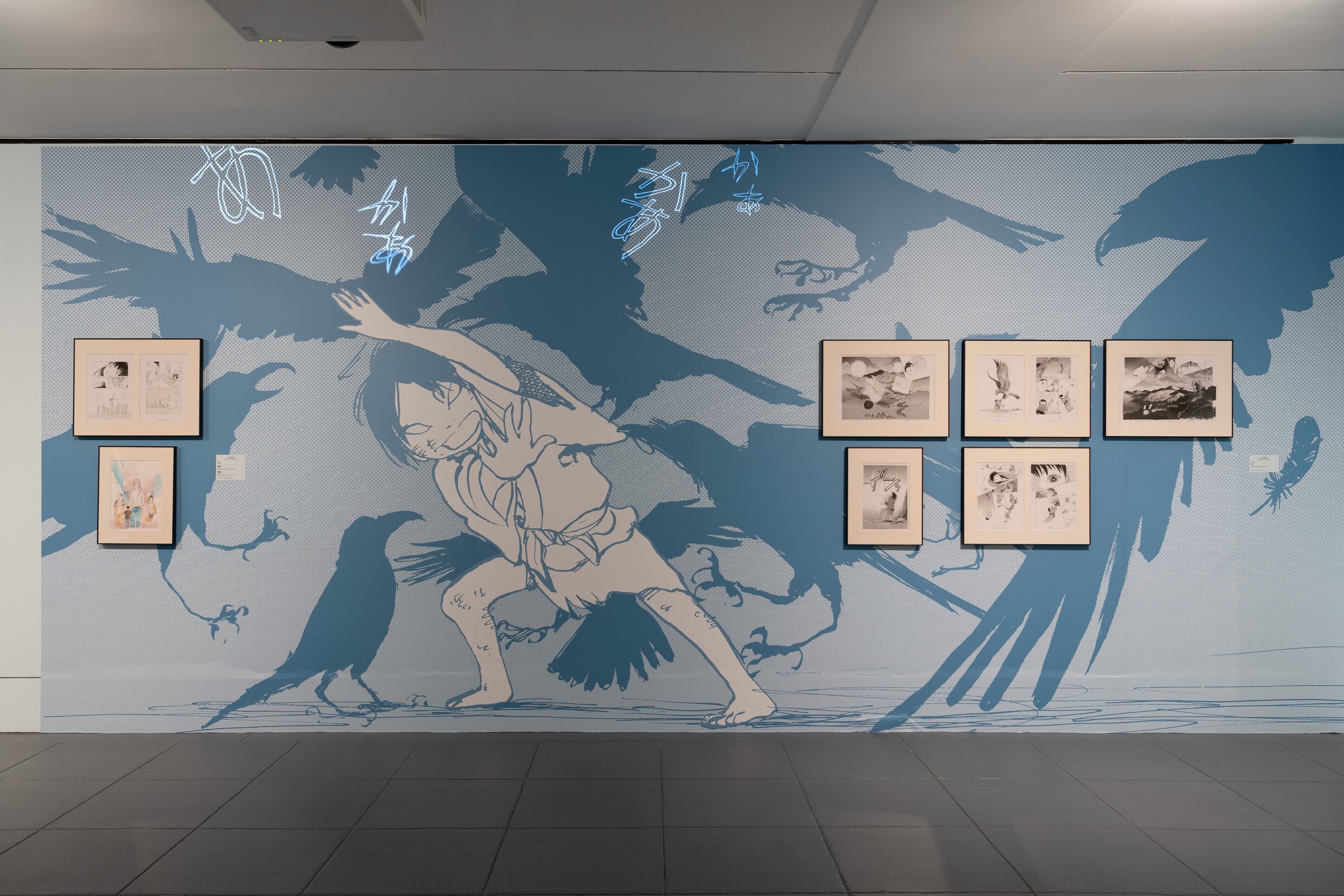
The first large-scale exhibition in the Americas to explore manga as an art form opened at Brooklyn Museum on October 3. Spotlighting iconic Japanese artwork and its global influence, Art of Manga features more than 600 drawings by influential manga artists, highlighting the immersive power and the social impact of manga in the world today. A globally popular art form, manga is an innovative genre of Japanese comics and graphic novels characterized by evocatively drawn artwork designed to draw readers deeply into its worlds.
Art of Manga is organized by the Fine Arts Museums of San Francisco and is curated at both venues by Nicole Coolidge Rousmaniere, Deputy Director General, MOA Museum of Art, Mokichi Okada Art and Cultural Foundation. The presentation at Brooklyn Museum is overseen by Joan Cummins, Curatorial Chair and Selz Senior Curator, Asian Art, and Pauline Vermare, Phillip and Edith Leonian Curator of Photography, with Yara Doumani, Curatorial Assistant, Arts of Africa, Asia, and the Islamic World.

From Art of Manga Paula Abreu Pita
The exhibition explores the vital role of artists in the world of Japanese comics and graphic novels. Though manga is a vast industry, it is driven by the artists who design, draw, and often author the stories that define the medium. The exhibition centers on influential manga artists, or mangaka, of diverse ages and backgrounds, each bringing distinct approaches to storytelling across genres. Each mangaka’s work employs compelling storytelling and imagery, creating worlds and characters that are familiar or supernatural, historical or futuristic, contemplative or action-packed. Their narratives address universal themes such as coming of age, discovering hidden strengths, and finding beauty in the ordinary, as well as contemporary issues such as environmentalism, gender roles, LGBTQ+ rights, and socioeconomic inequality. Many of the featured mangaka draw manga by hand, using ink on paper.
“The show’s focus on artists is what makes it so special. U.S. audiences almost never get a chance to see original drawings for Japanese manga, let alone such an extensive selection,” says Cummins. “The artwork offers a window into each artist’s creative process and an opportunity to focus on what distinguishes their work. Using astonishing drafting skills, these artists create whole worlds that are alternately relatable or completely fantastic.”
“Manga is a form of visual storytelling that employs the power of line to literally draw the reader into the narrative. Manga as an art form has quickly grown to become a global phenomenon, demonstrating that universality does not depend on language,” remarked Rousmaniere. “With the unusually large number of original drawings (genga) on display, the exhibition allows the viewer to be immersed in each manga title, becoming fluent in the form by the end of the exhibition.”
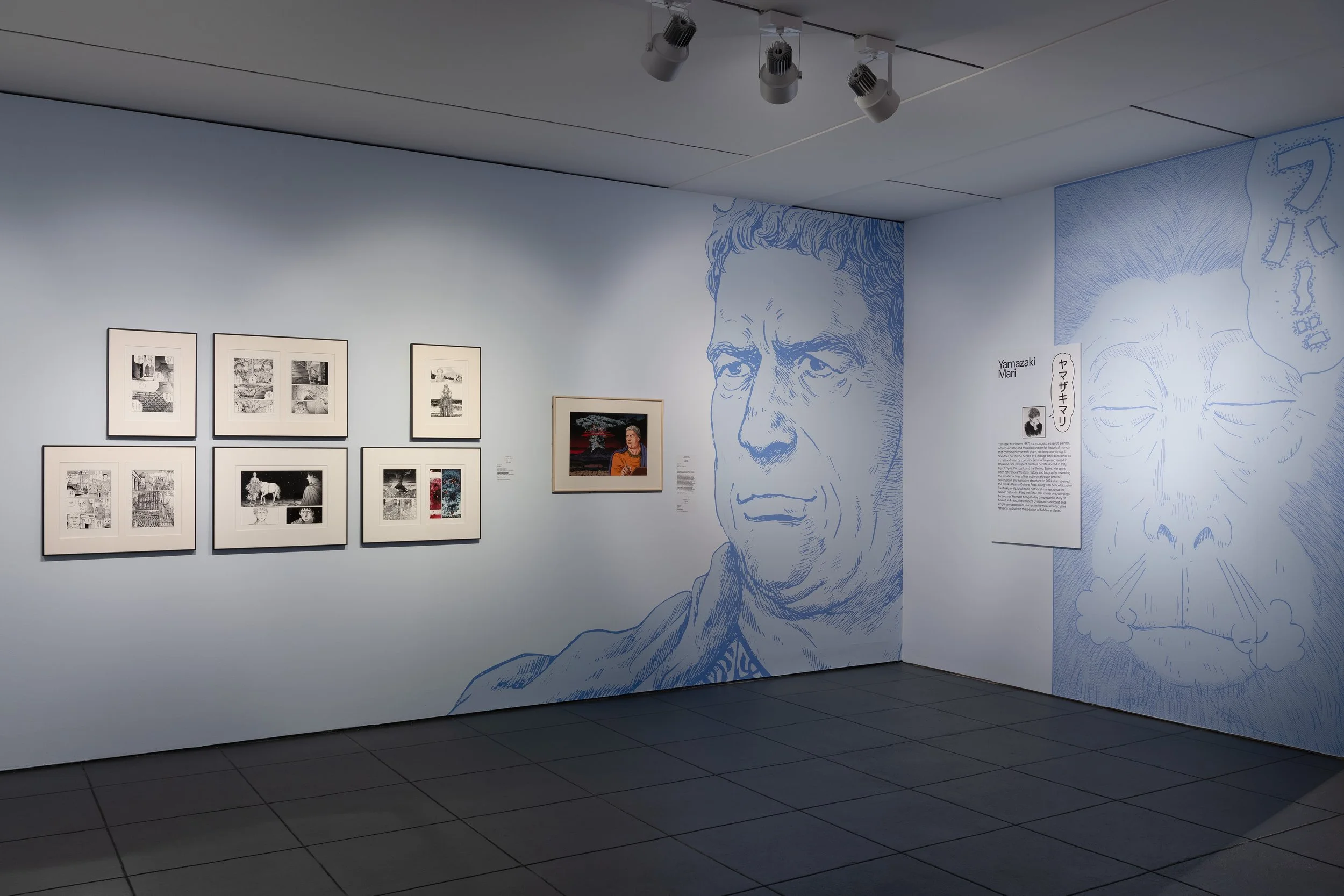
Presented in the Museum’s soaring first-floor Great Hall galleries, the exhibition begins with an introduction to manga. Visitors will encounter works from foundational manga artists Chiba Tetsuya (born 1939), a master of story-driven manga, and Akatsuka Fujio (1935–2008), known as the “King of Gag manga,” placing the medium in its historical context and providing viewers with insights into what manga is, how it is read, and how it is created and consumed. The exhibition continues with individual sections dedicated to the work of eight major manga artists, exploring their processes as well as the thoughtful ways in which they use line drawing and composition to evoke motion, space, sound, emotion, and physical power.
“Manga as an art form has quickly grown to become a global phenomenon, demonstrating that universality does not depend on language”
Featured Artists (in alphabetical order by name)
Araki Hirohiko (born 1960), artist and author behind the long-running and globally beloved manga series JoJo’s Bizarre Adventure
Oda Eiichiro (born 1975), artist and author of ONE PIECE, one of the best-selling manga series and books of all time
Tagame Gengoroh (born 1964), critically acclaimed artist in the gay manga genre
Takahashi Rumiko (born 1957), best-selling artist for more than 48 years, known for specializing in shōnen, “boy’s style” manga featuring romantic comedy and often supernatural elements
Taniguchi Jirō (1947–2017), internationally acclaimed manga artist known for his cinematic storytelling and his work spanning literary, historical, science fiction, and gourmet manga
Yamashita Kazumi (born 1959), award-winning manga artist who began in shōjo “girl’s style” and later became known for her literary, essay, and seinen “young adult” works exploring societal pressures, everyday relationships, and the built environment
Yamazaki Mari (born 1967), a multidisciplinary artist who studied art history and oil painting at the National Academy of Fine Arts in Florence and specializes in both hand-drawn and digital illustrations, transforming Western historical narratives and biographies into manga
Yoshinaga Fumi (born 1971), acclaimed for her refined, character-driven storytelling and her long-running series, which include both nuanced, often humorous, depictions of everyday life and her epic Edo-period historical works
Also featured are drawings by Itō Junji, Agi Tadashi and Okimoto Shū (Drops of God), and Tori Miki in collaboration with Yamazaki Mari (PLINIVS). A final section showcases Shueisha Manga-Art Heritage and its exploration of manga as a living art form, highlighting Oda Eiichiro’s ONE PIECE, Ikeda Riyoko’s Rose of Versailles, and Kubo Tite’s BLEACH art prints, along with a selection from artist Tanaami Keiichi’s collaboration with mangaka Akatsuka Fujio.
Tracing manga’s wide-reaching aesthetic, narrative, and cultural impact, Art of Manga highlights a medium that is deeply beloved across generations and cultures worldwide. The exhibition thus offers the Museum a powerful opportunity to welcome new audiences, drawn by their passion for manga, while also inviting artists, art history scholars, and museumgoers less familiar with the art form to engage with manga’s artistic rigor, innovation, and global resonance.
For more information and to purchase tickets, please visit Brooklyn Museum’s website.



Manga Fan Pass
For $75, the Manga Fan Pass gives one adult and one guest unlimited entry to Art of Manga throughout the exhibition’s run—plus a slew of other perks especially for manga fans.
Benefits
Unlimited entry for you and a guest to Art of Manga (subject to availability) as well as general admission to Museum galleries
Invites to Member Previews and select Member Evenings for Art of Manga
Exclusive presale access to Art of Manga public programs
10% discount at the Café and Museum Shop (excluding gashapon machines)
A collectible badge to wear and show off your love of manga (wear your badge each time you return to get a new pin to build your collection!)
Read Brooklyn Museum’s FAQs for more information about their Manga Fan Pass.
Enjoying JapanCulture•NYC? This site is supported by our community, and a $5/month membership helps offset the costs of keeping it running so we can continue spotlighting the people and events that make our community shine. Please click here to join.