
Matsuri 2026 at Columbia University
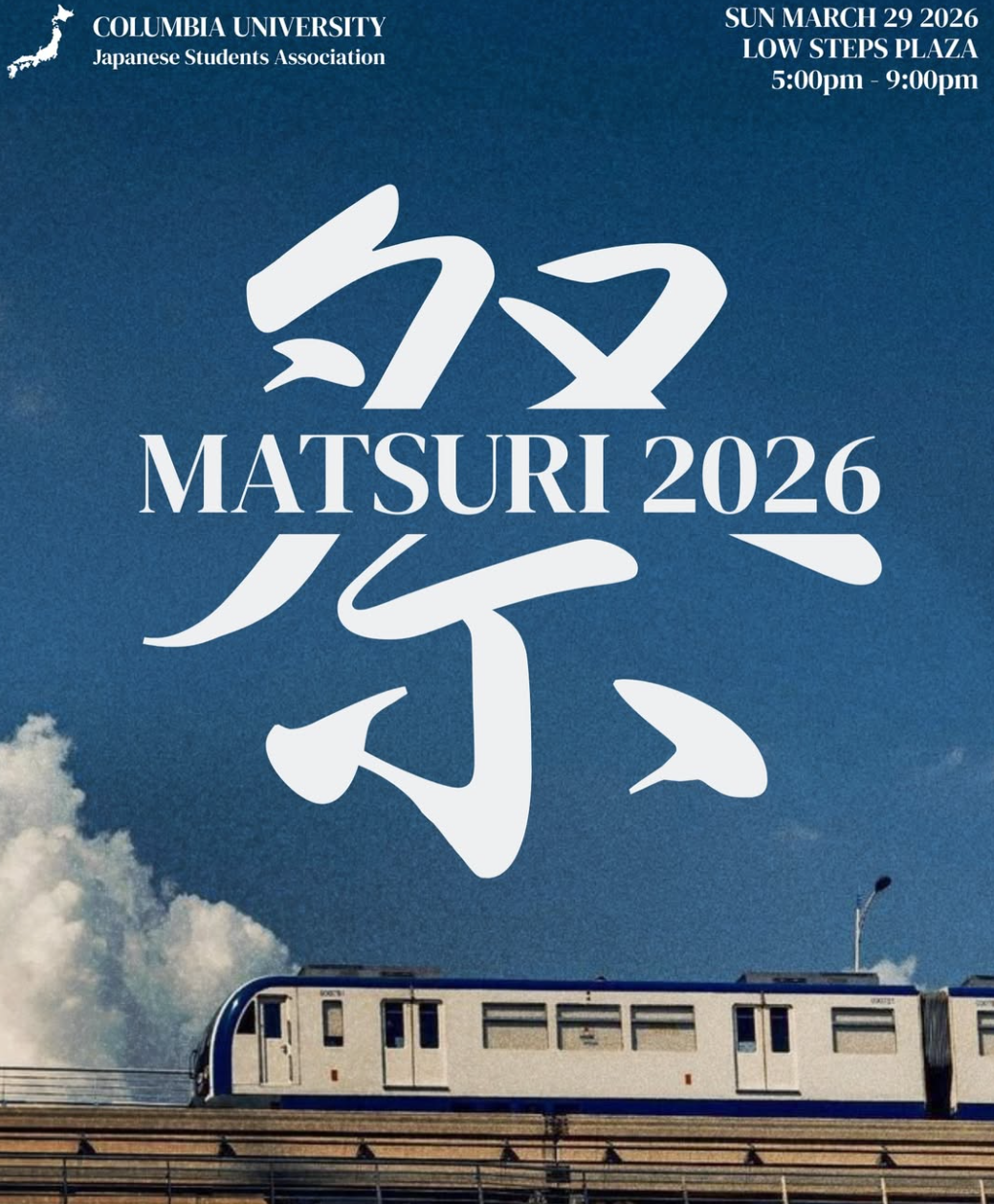
The Japanese Students Association of Columbia University (JSA) presents its Matsuri 2026 this Sunday, March 29.
Columbia Japanese Students Association Matsuri 2026
Sunday, March 29 from 5:00 p.m. until 10:00 p.m.
Columbia University Low Plaza – W. 116th and Broadway
Admission: Free
The Japanese Students Association of Columbia University (JSA) presents its Matsuri 2026 this Sunday, March 29. JSA’s annual spring festival will be filled with delicious food, exciting performances, and an exciting cultural experience.
@columbiajsa on Instagram
About Matsuri 2026
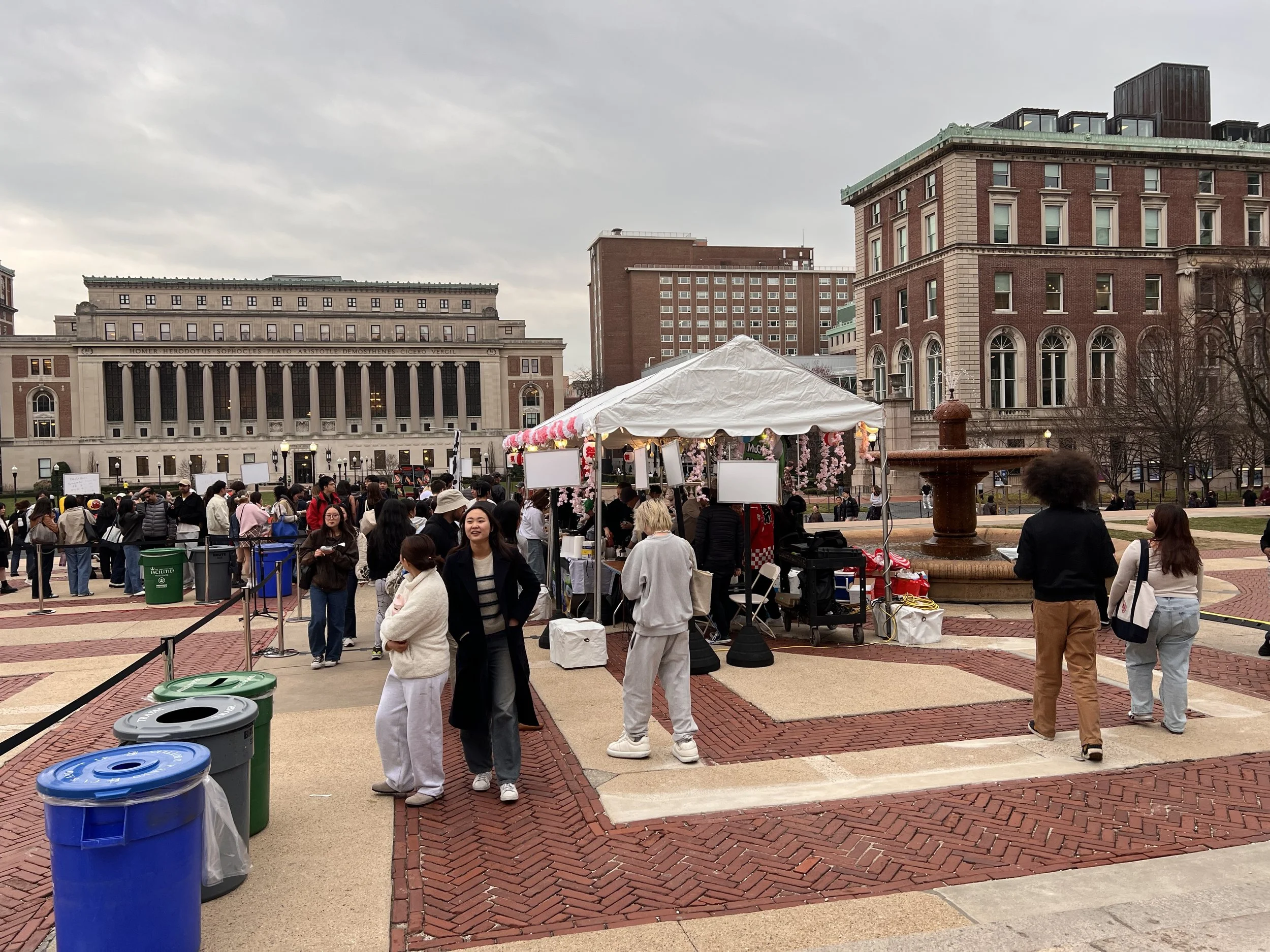
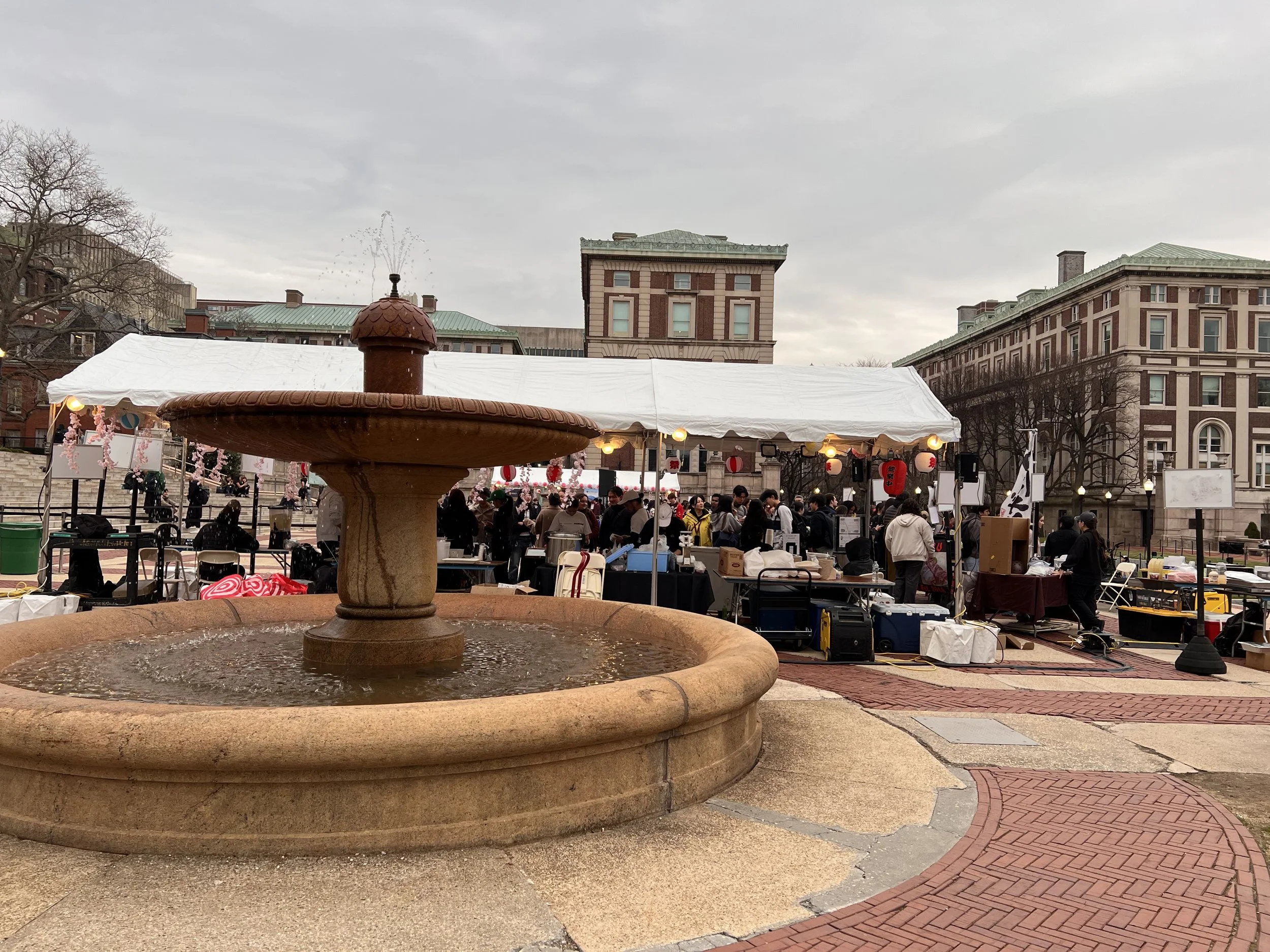
Matsuri, the Japanese word for “festival,” embodies the spirit of community celebration through food, entertainment, and cultural exchange. Since 2006, JSA’s Matsuri has evolved into one of Columbia University’s most anticipated cultural events, transforming the heart of campus into a vibrant celebration of Japanese culture. Drawing nearly 1,000 attendees to the iconic Low Plaza each spring, Matsuri is more than just a festival; it’s a landmark event that brings together students, faculty, and New Yorkers.
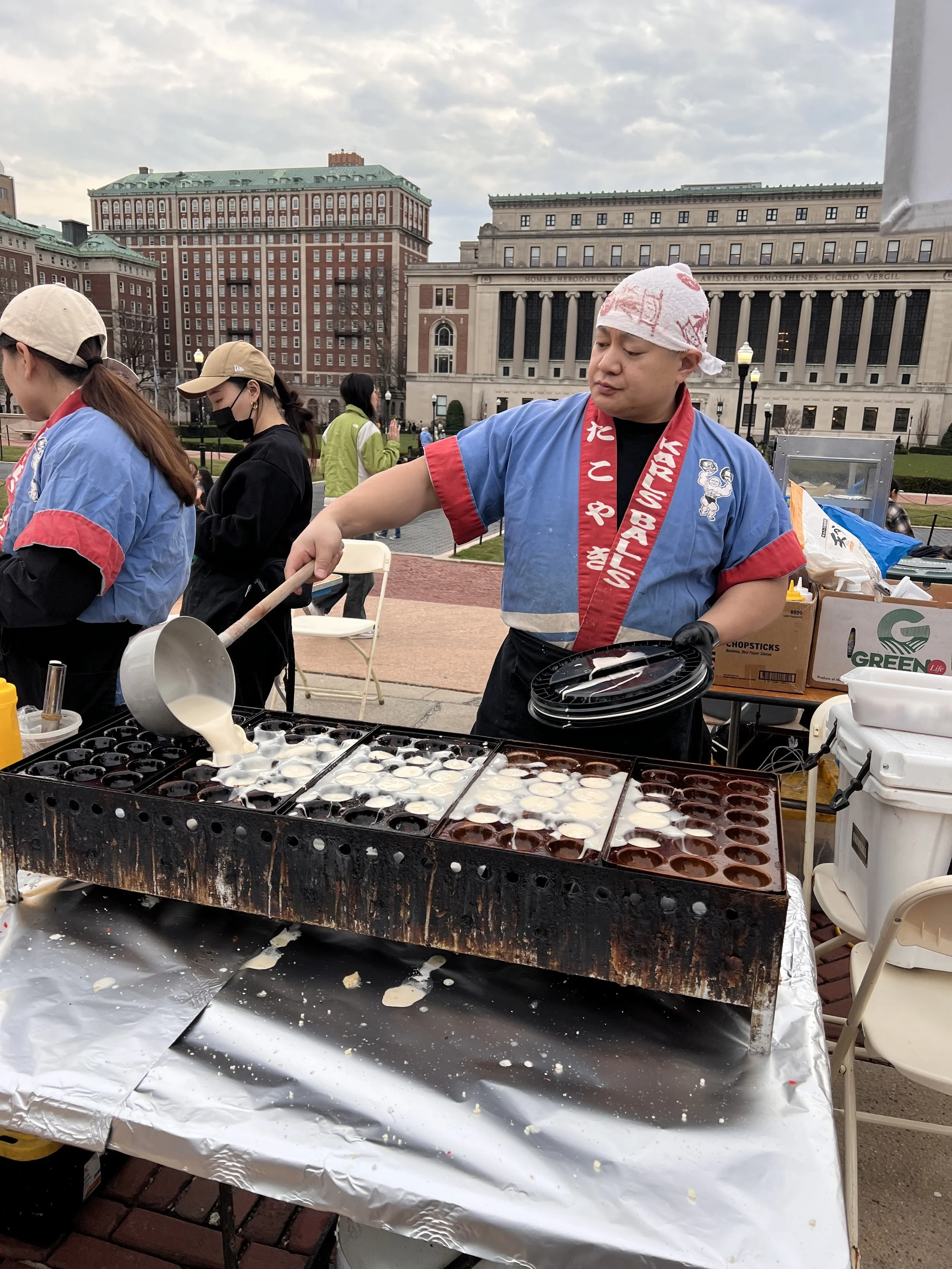
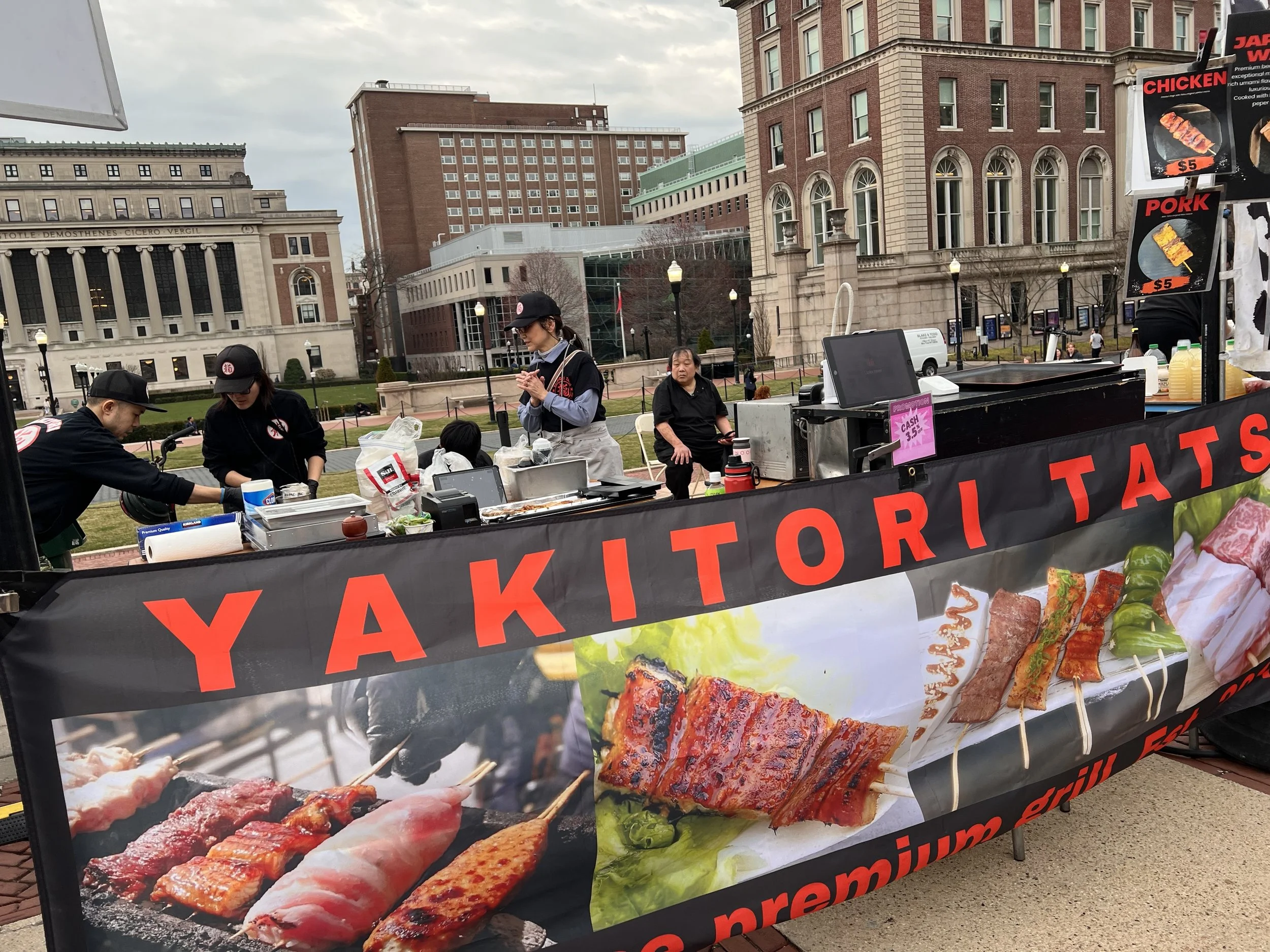
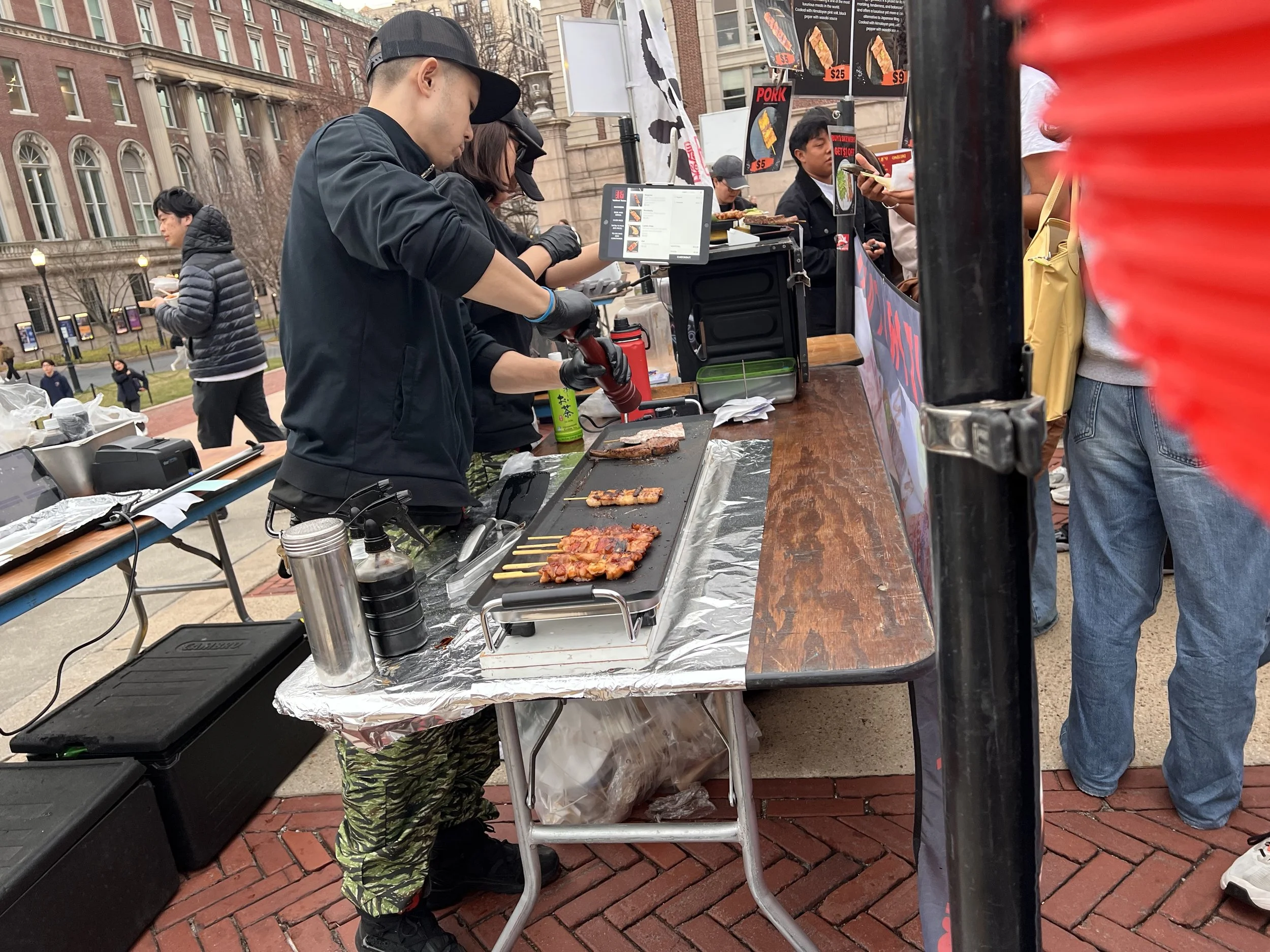
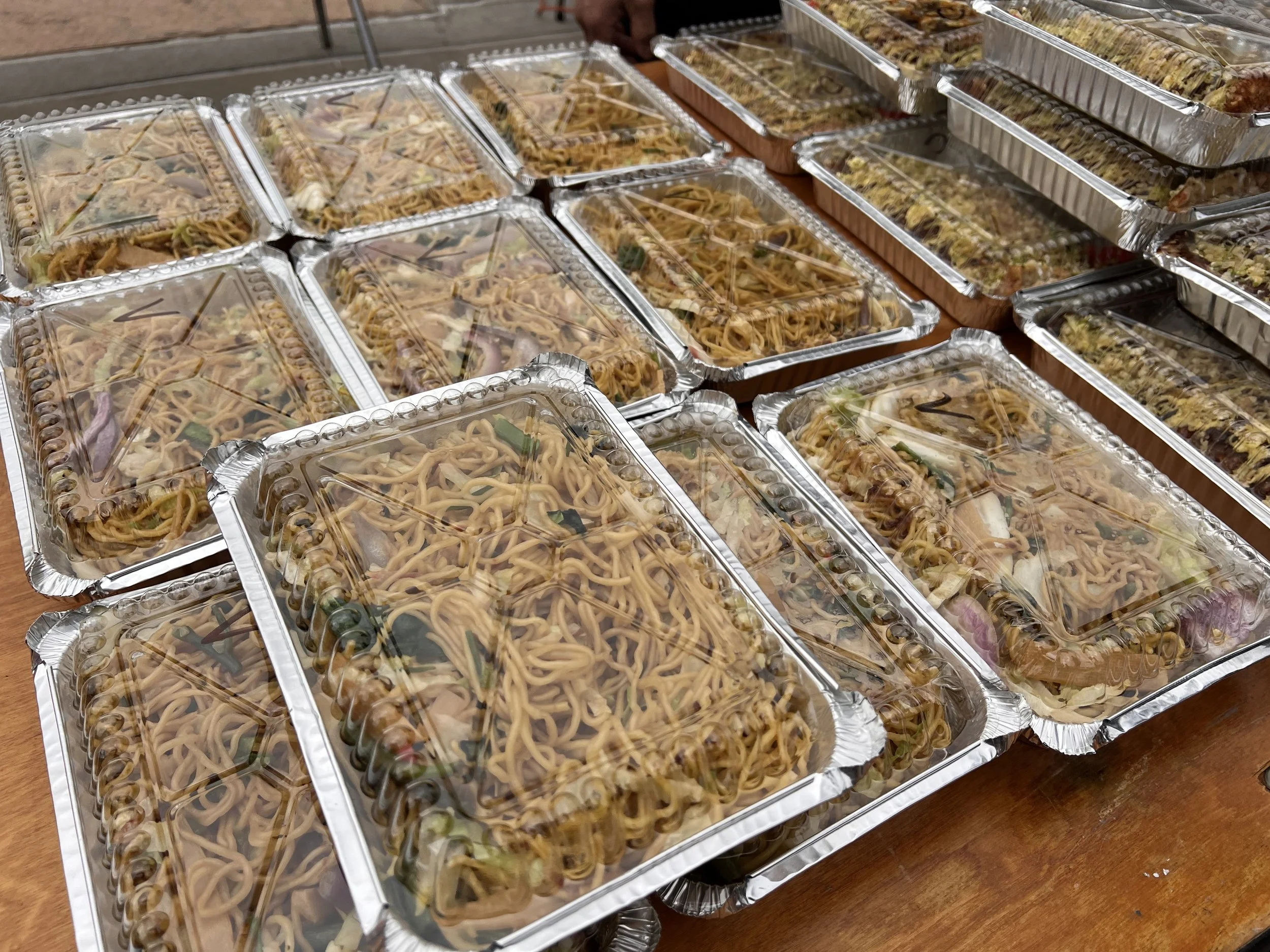
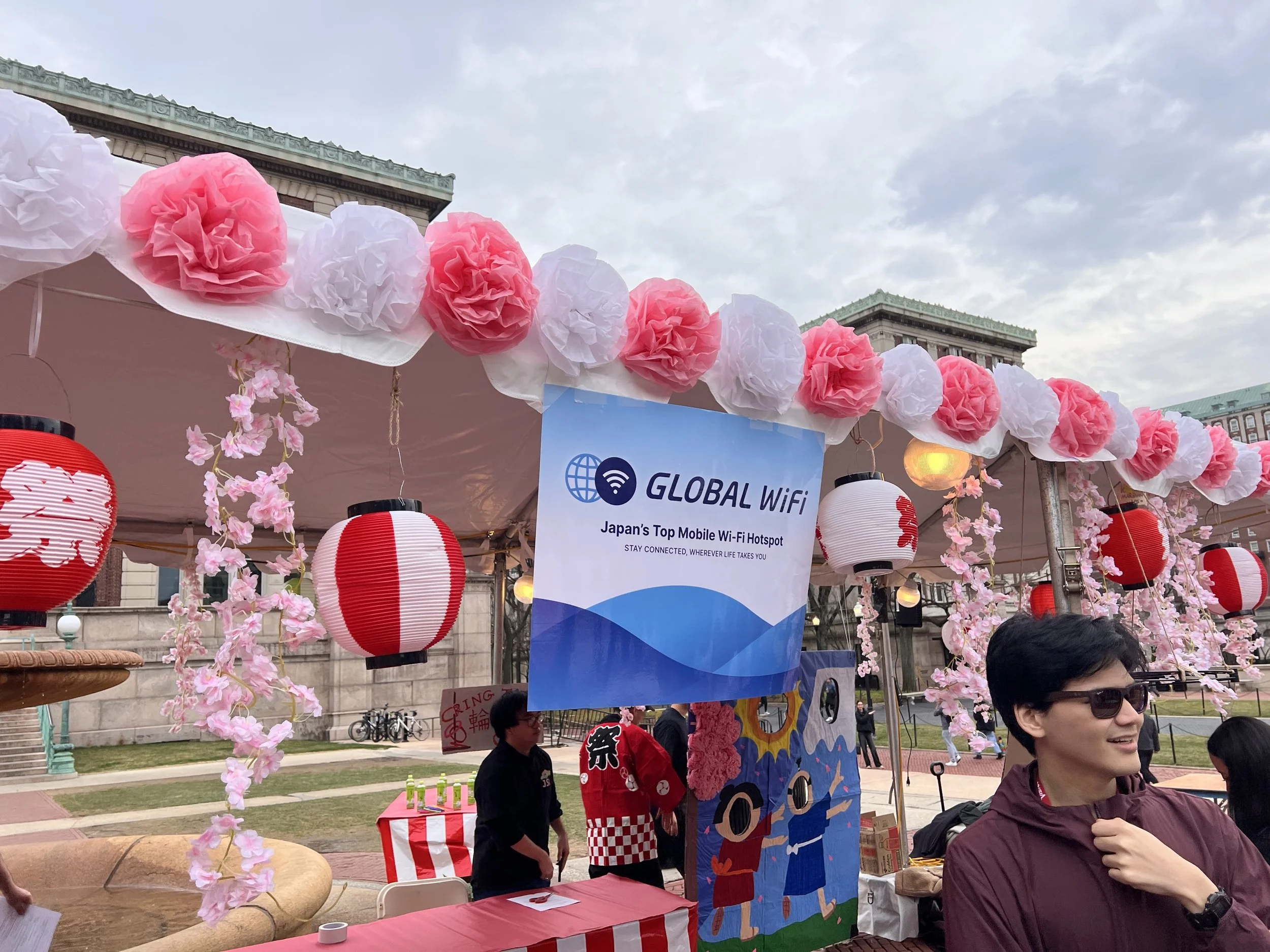
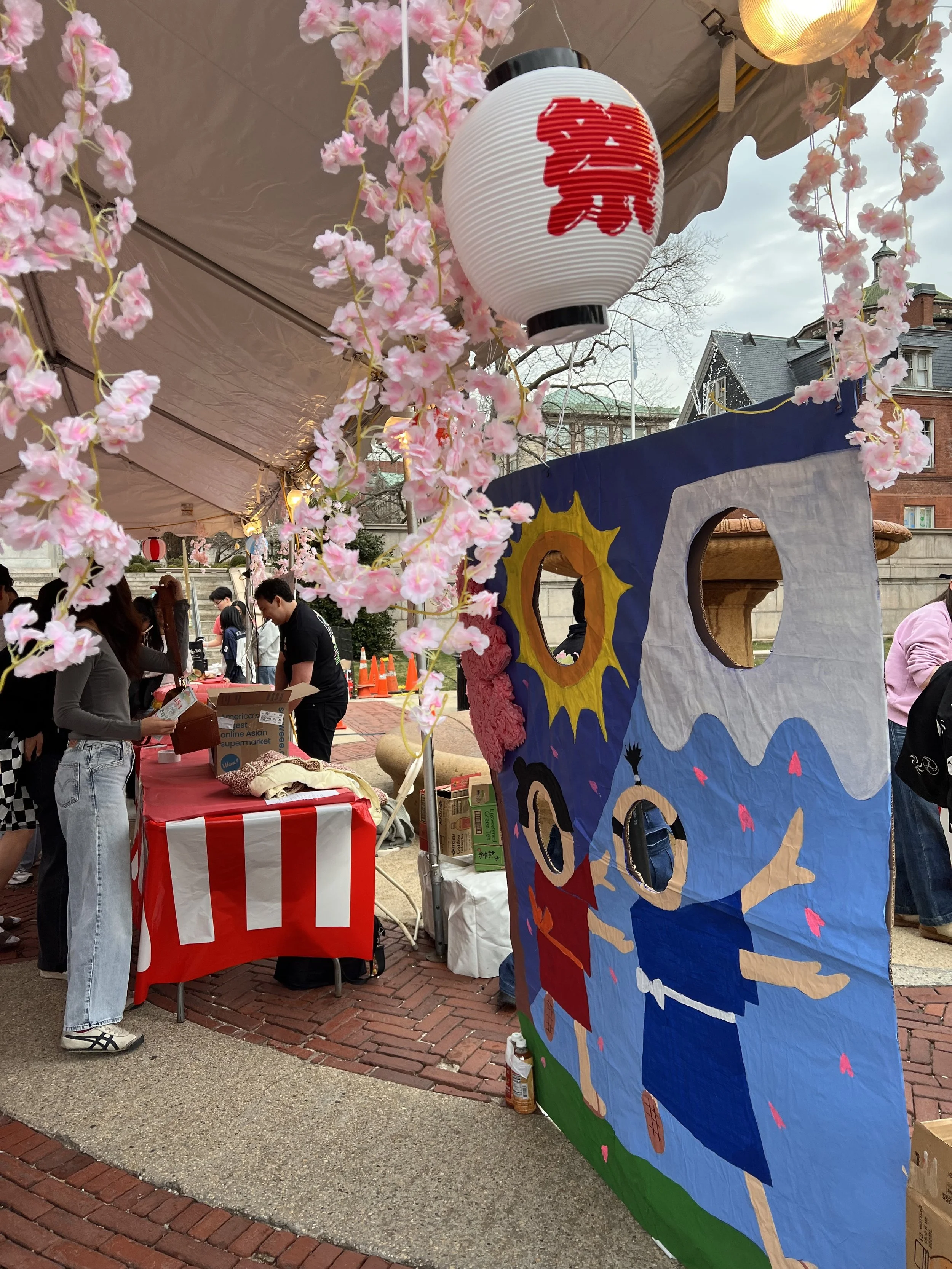
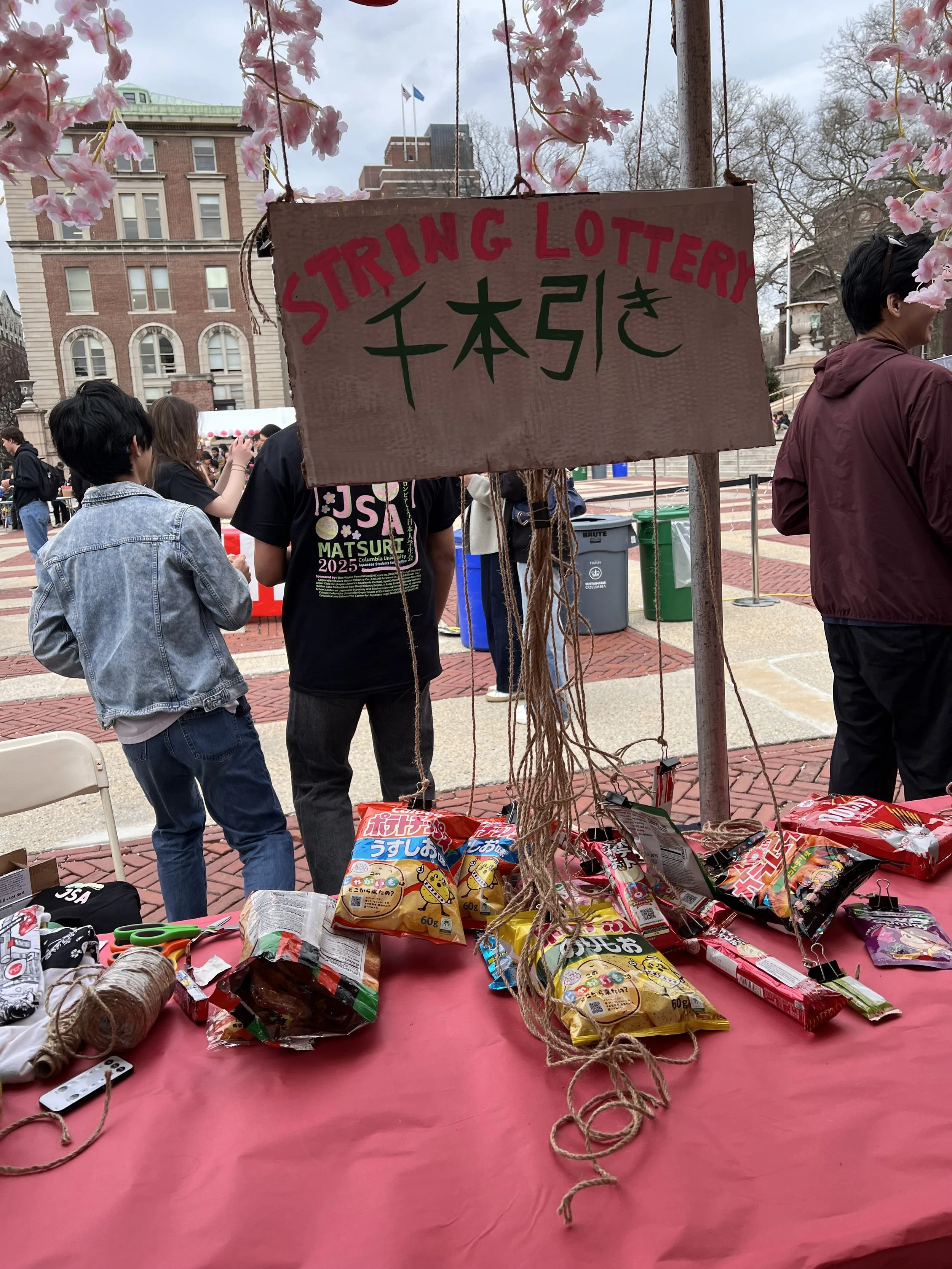
There will be plenty of Japanese festival foods, such as takoyaki, okonomiyaki, and onigiri. While enjoying the food, guests can watch Japanese-related performances. This event is enjoyable for both students and families alike, as there will be various activities booths and vendors selling traditional Japanese crafts.
Attendanceis free, and guests can register through Columbia JSA’s Google form. Attendees not affiliated with Columbia University and without a valid Columbia University ID MUST register by tomorrow,Thursday March 26.
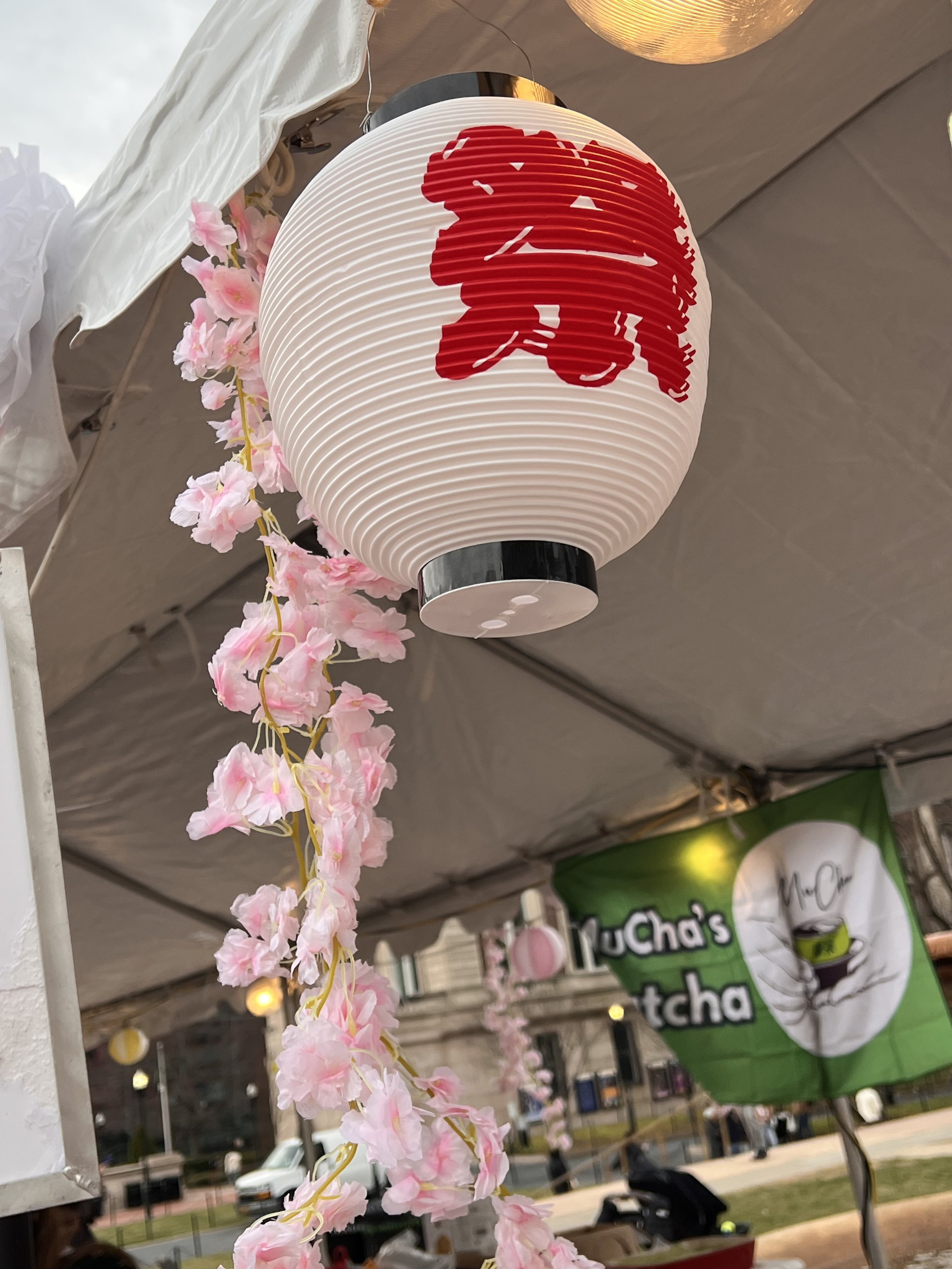
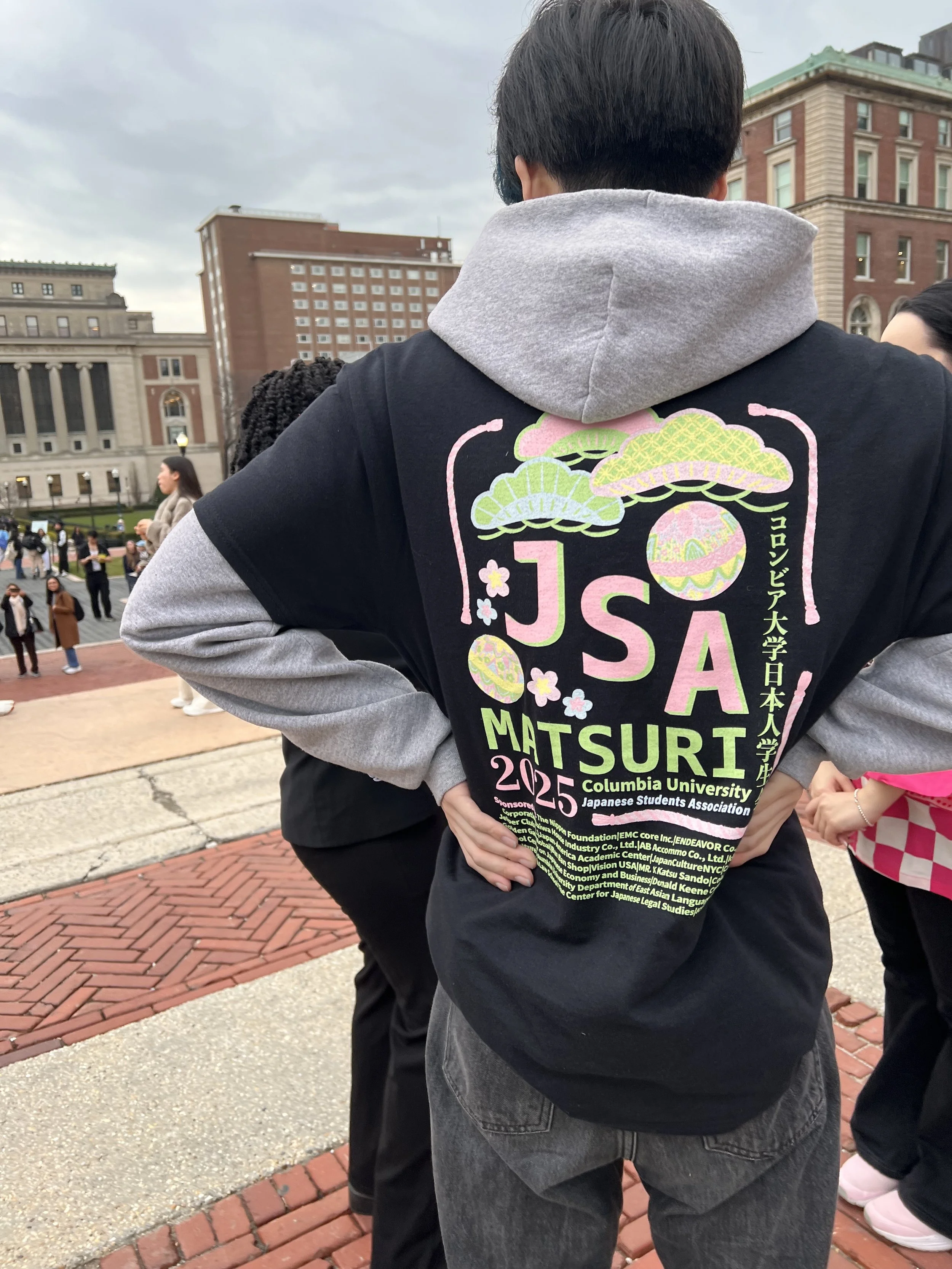
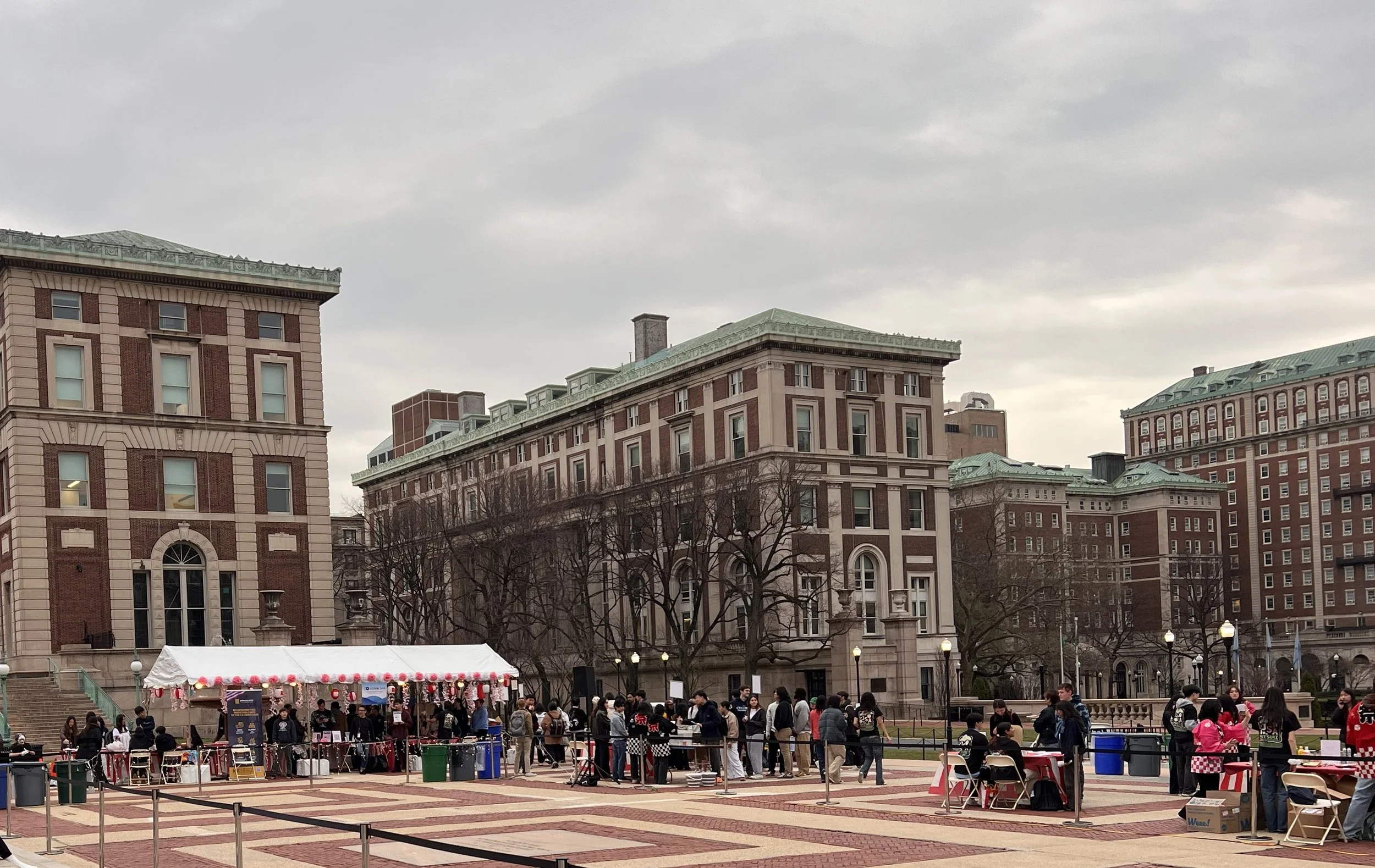
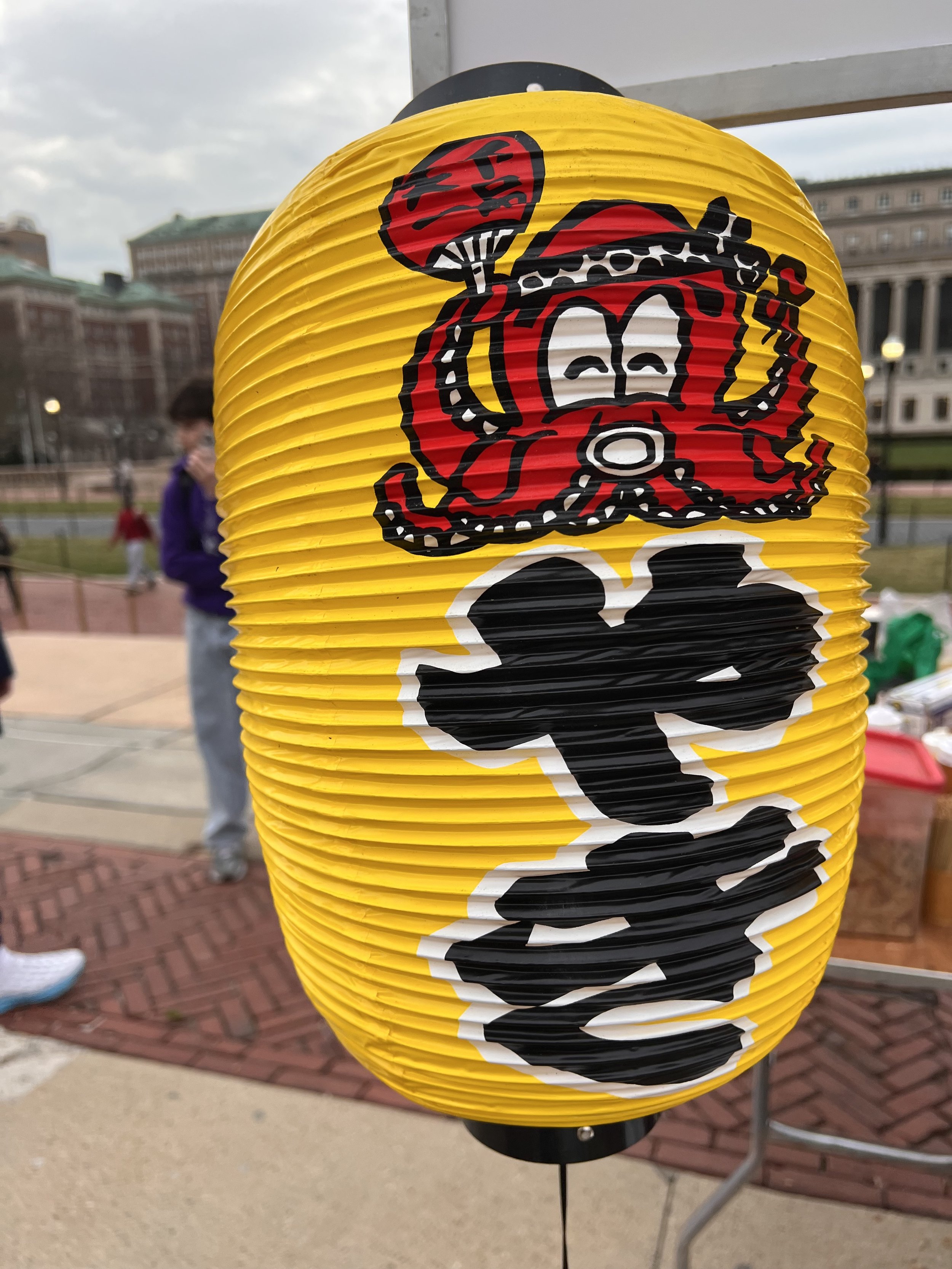
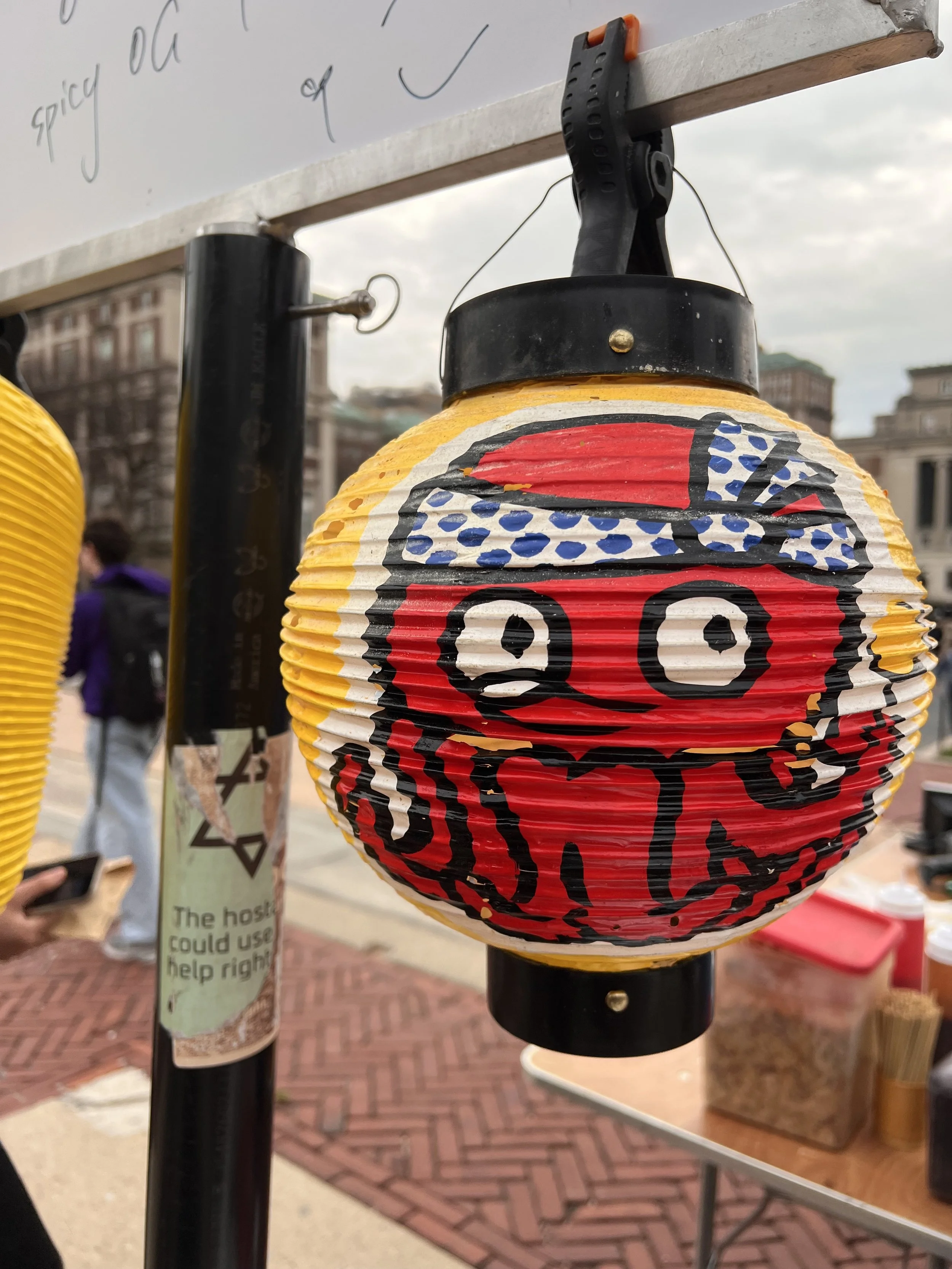
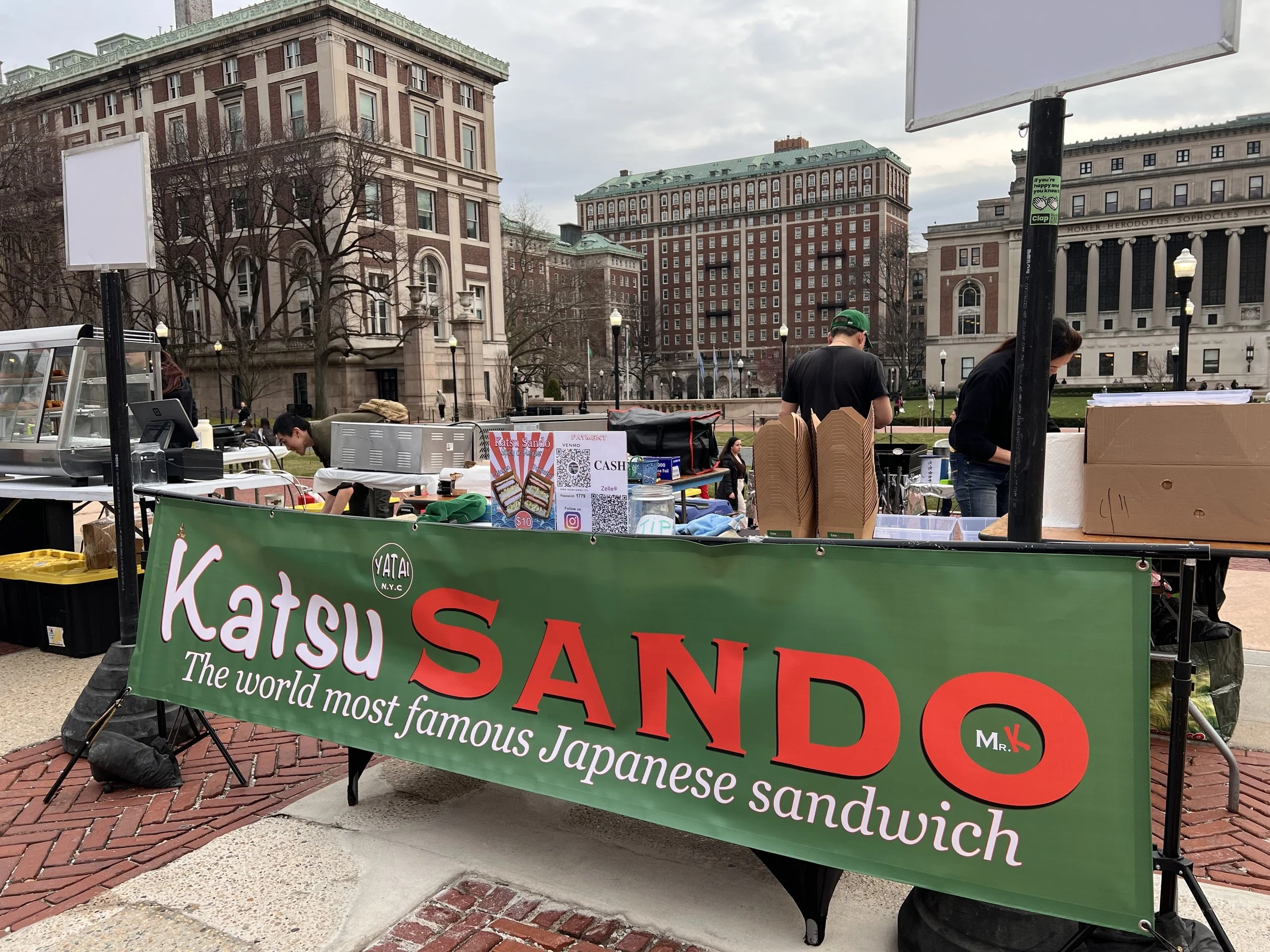
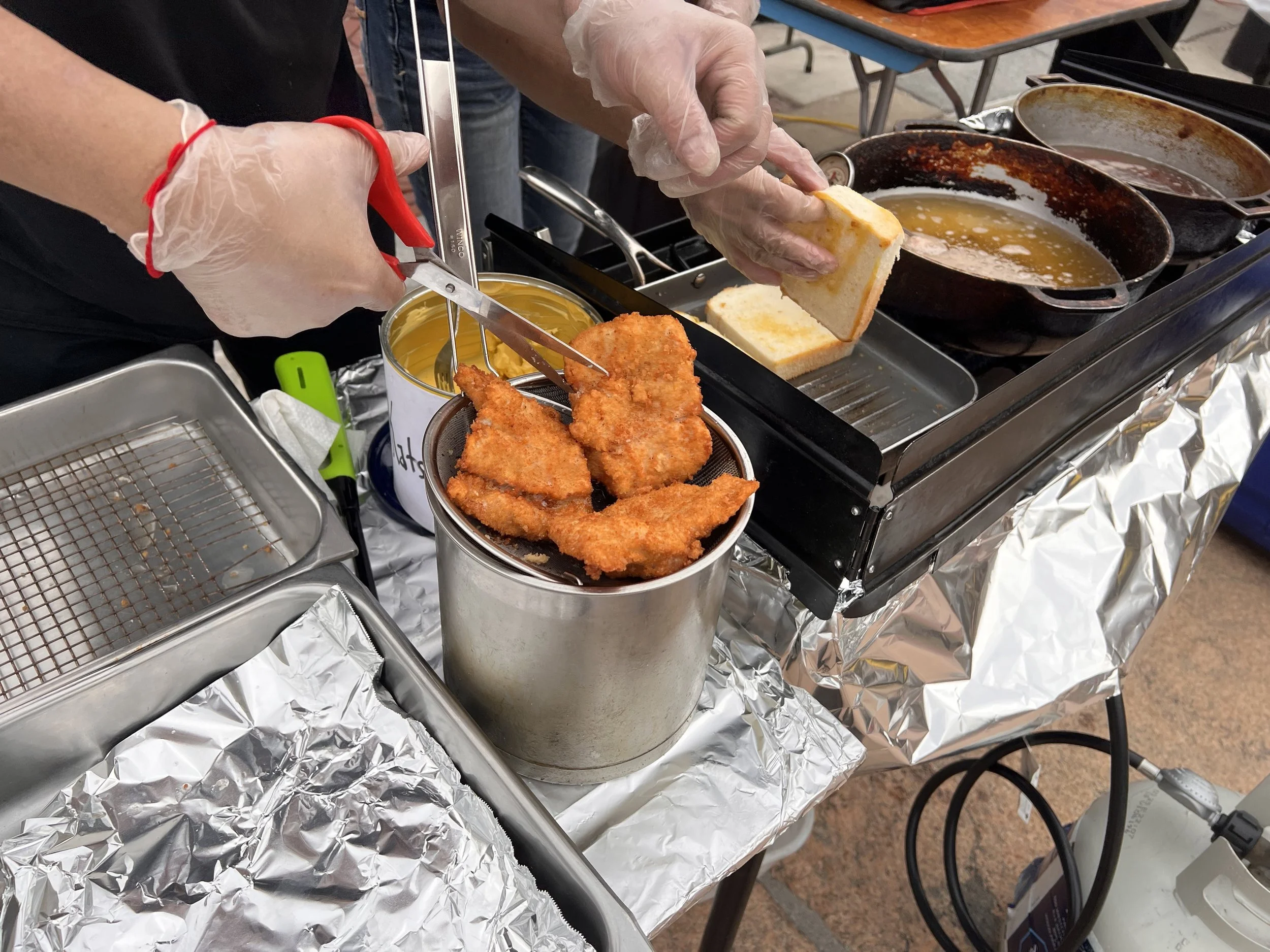
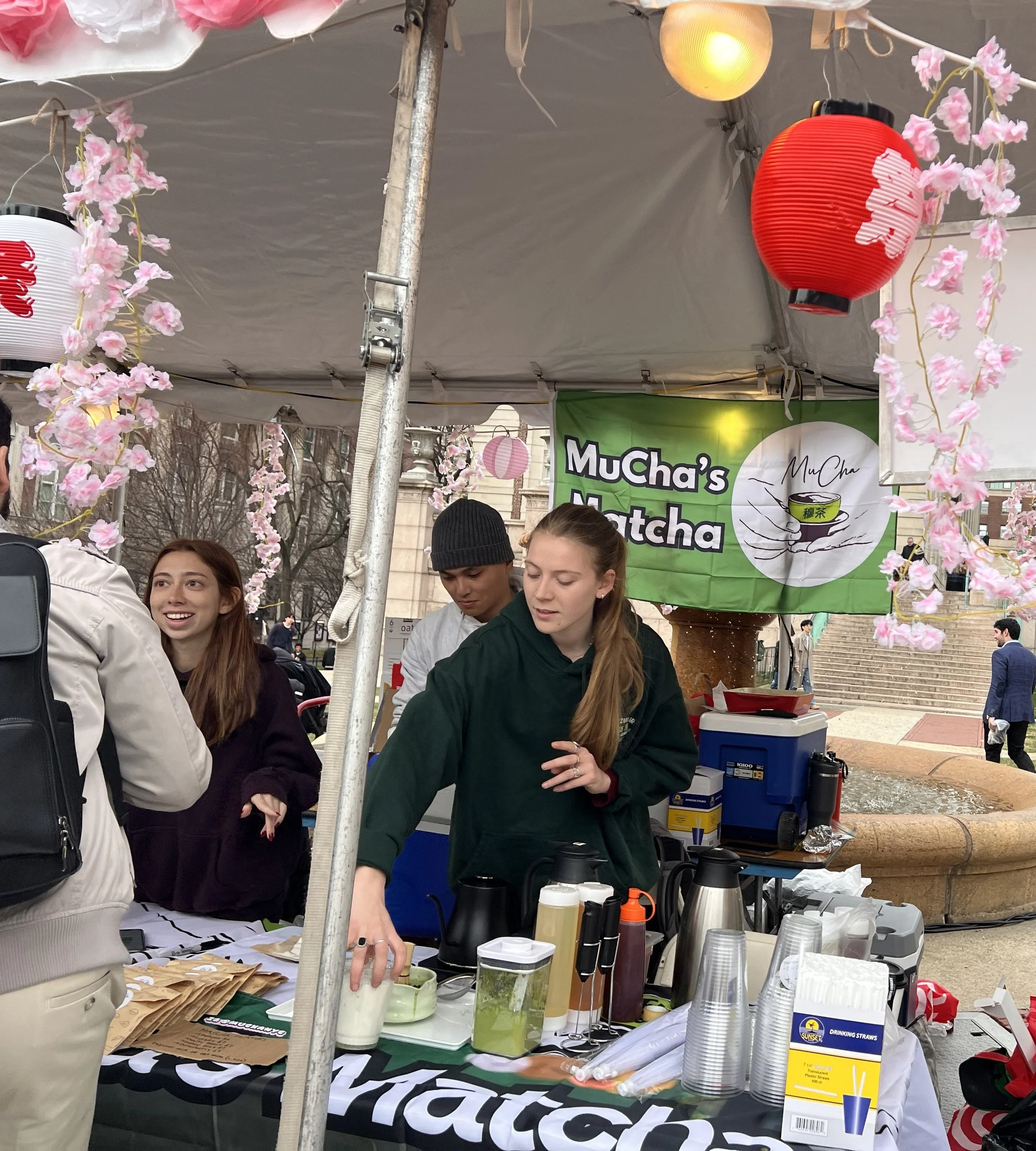
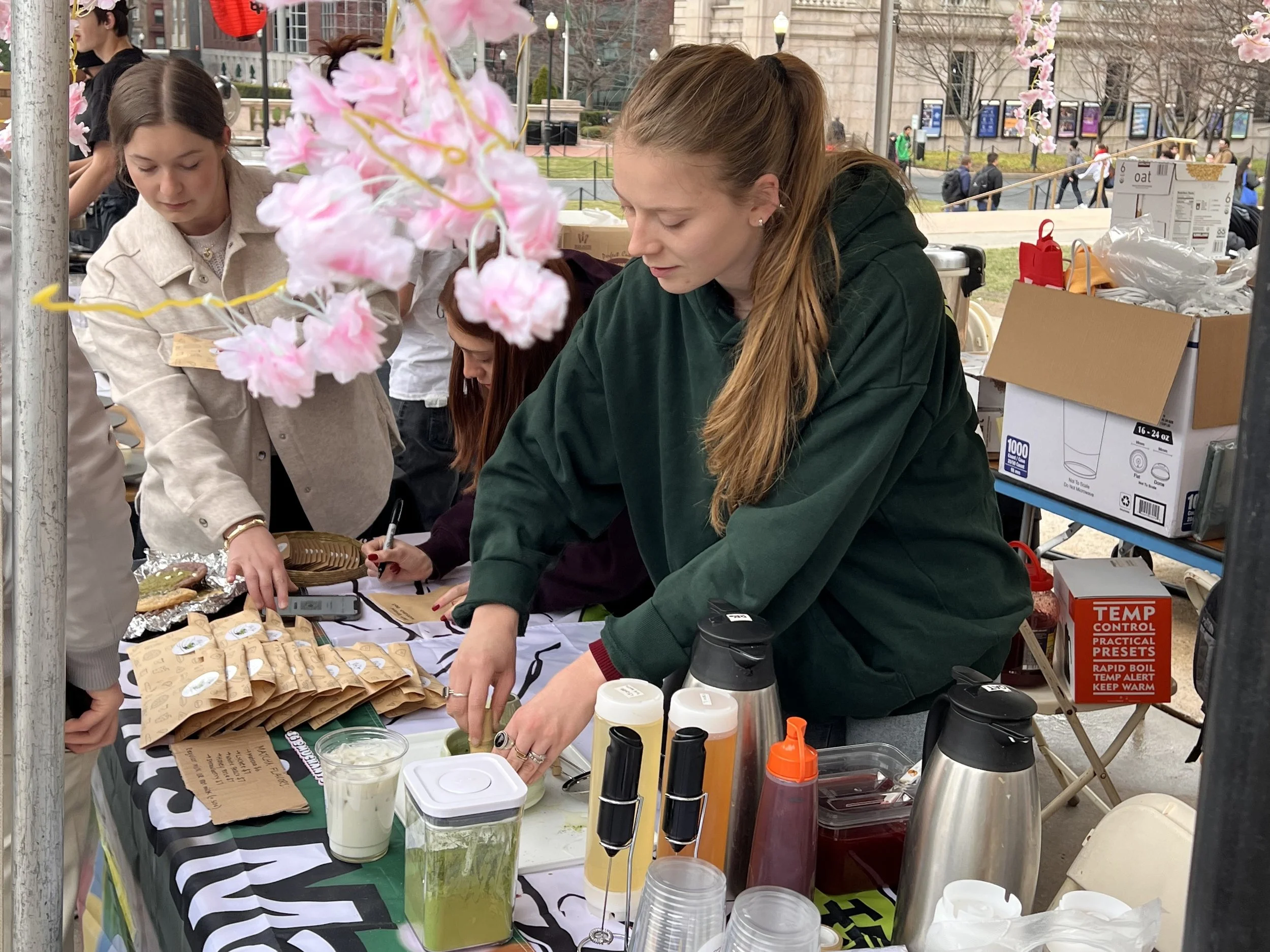
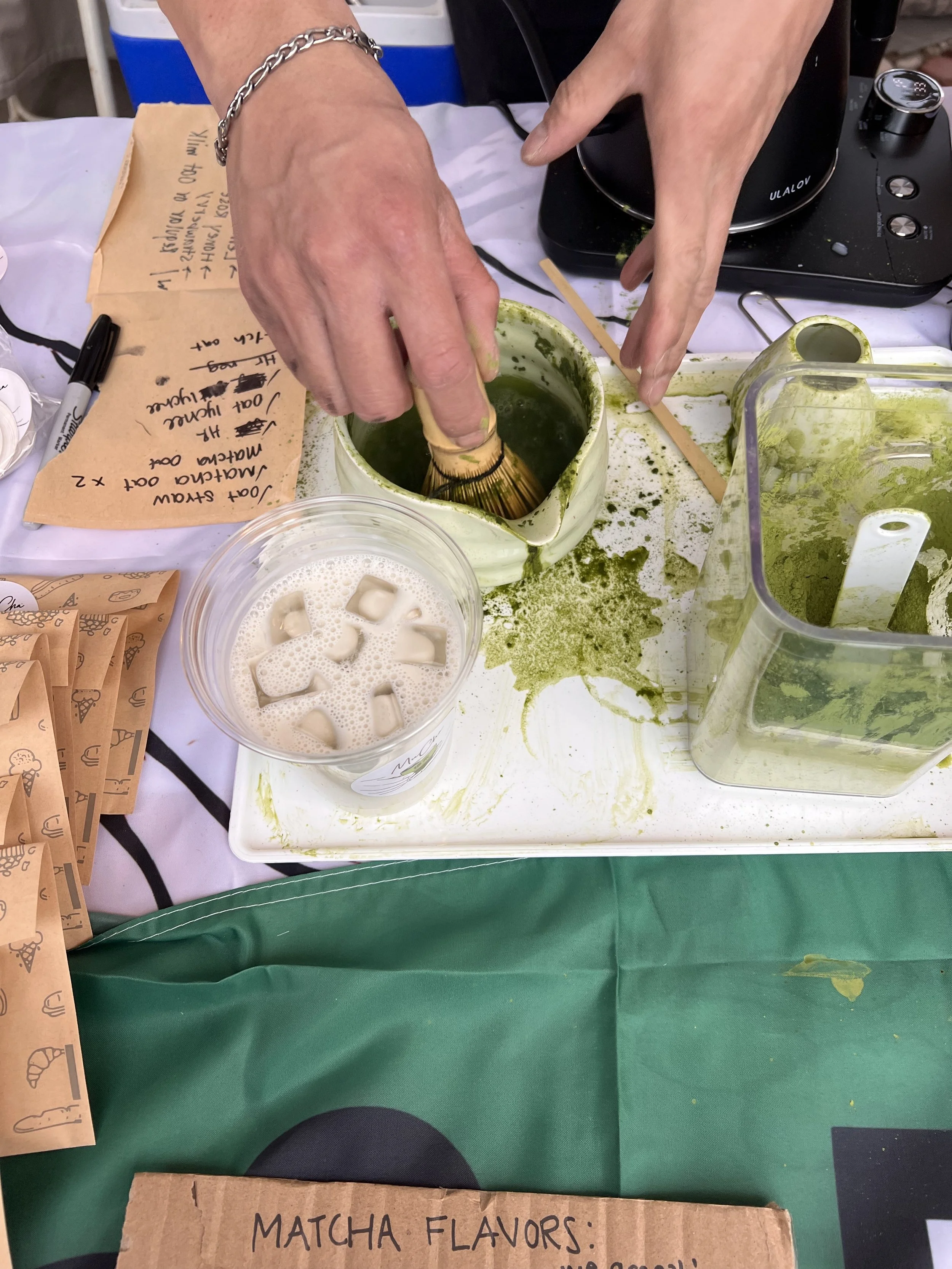
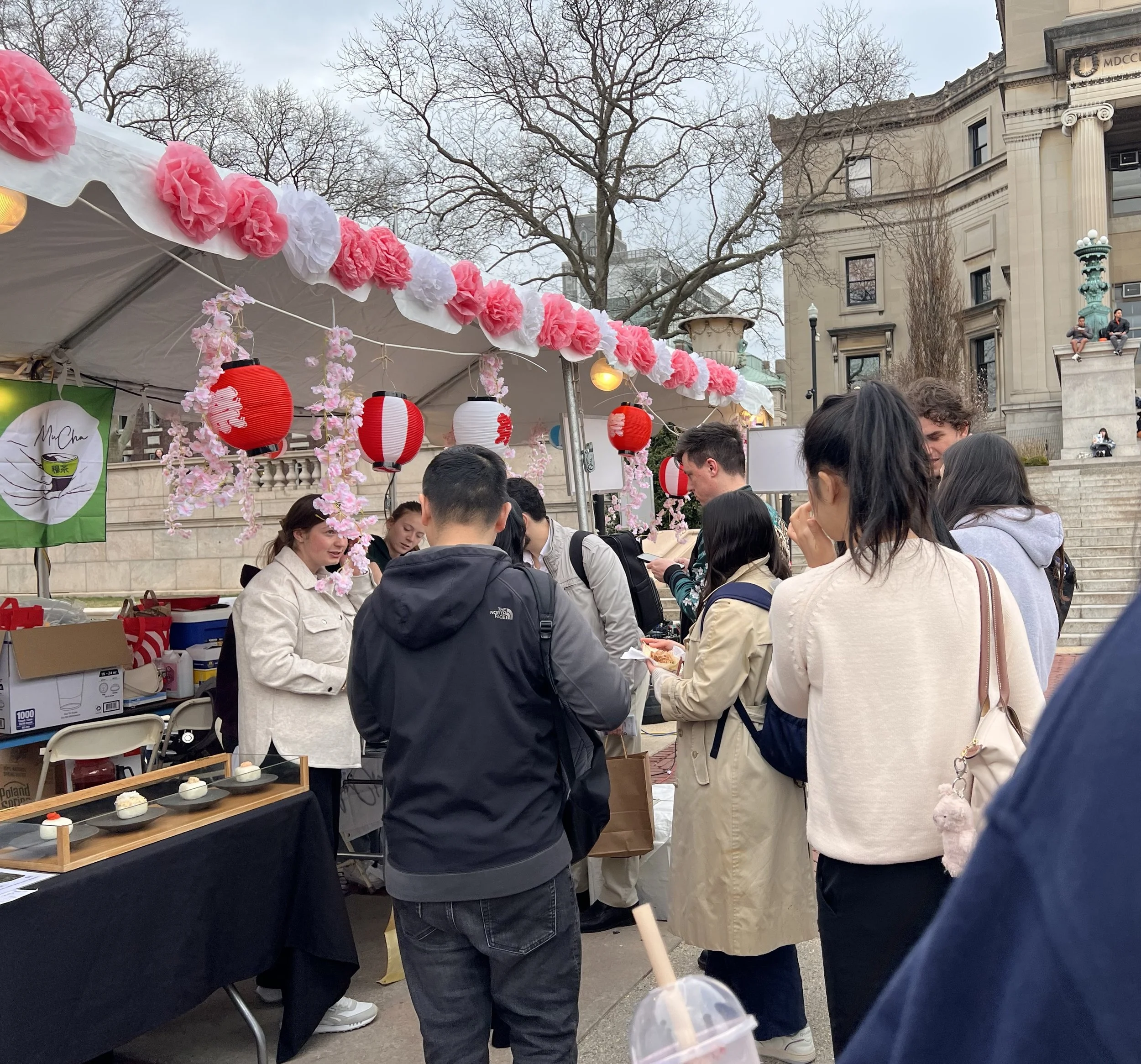
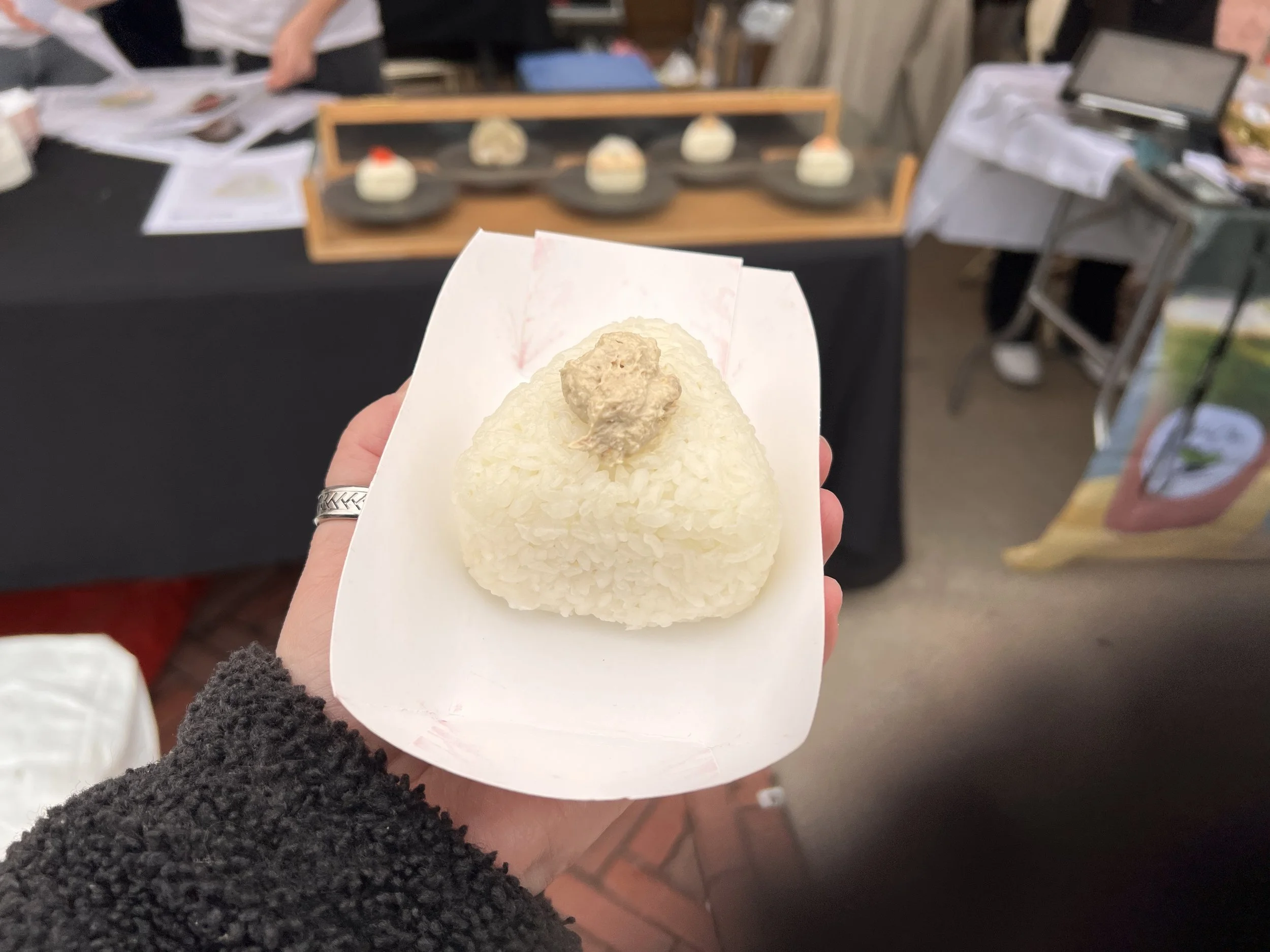
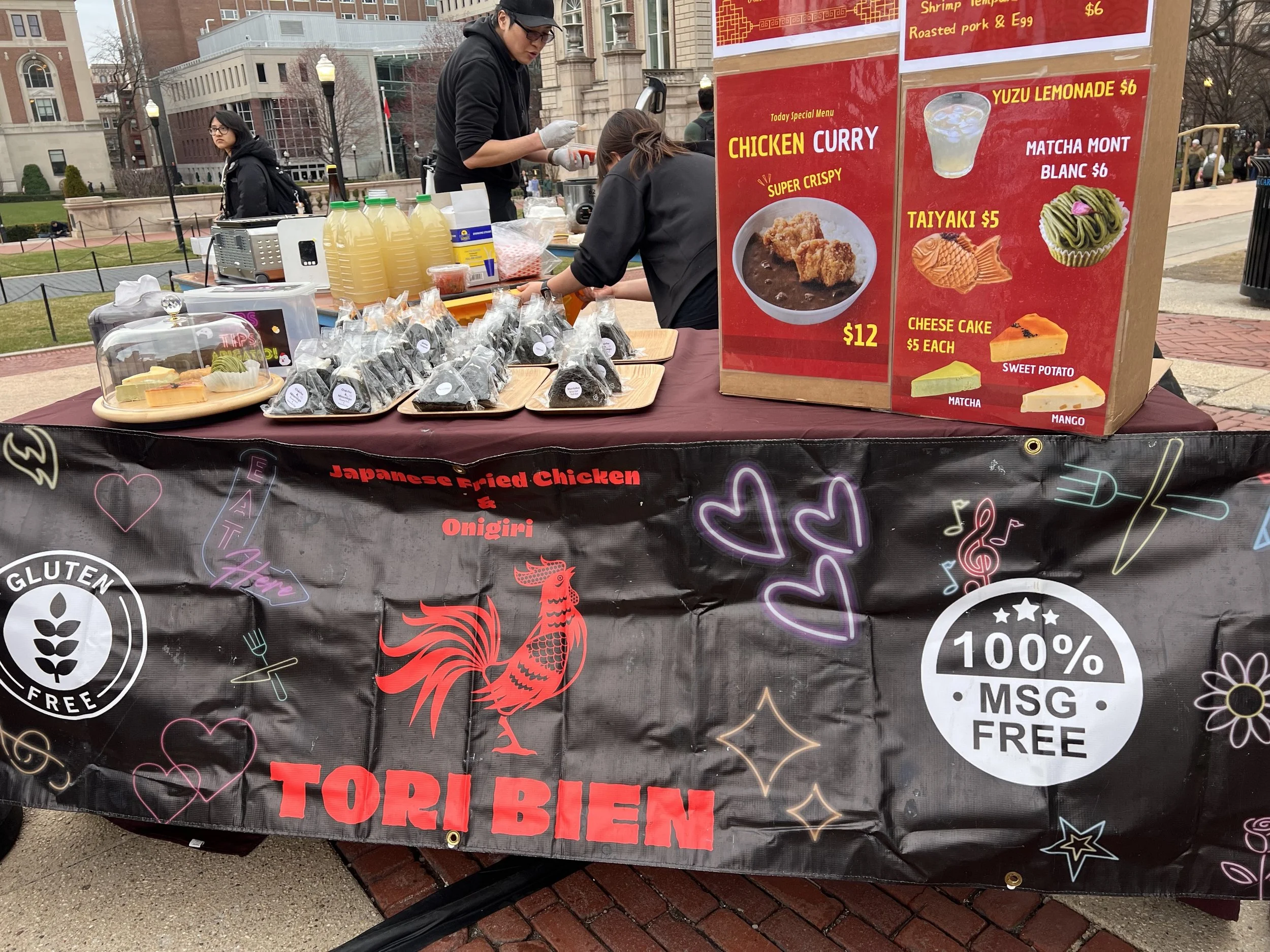
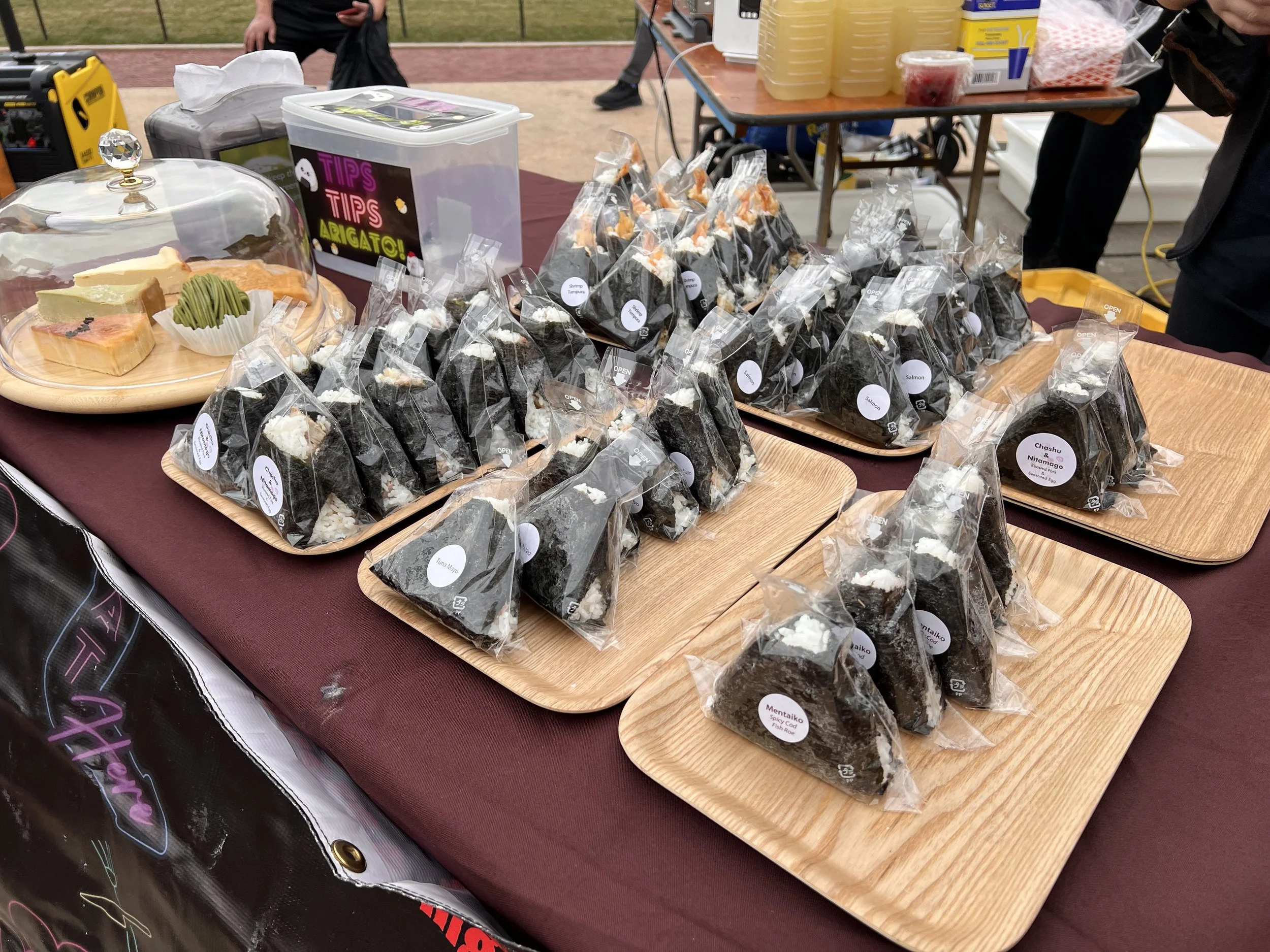
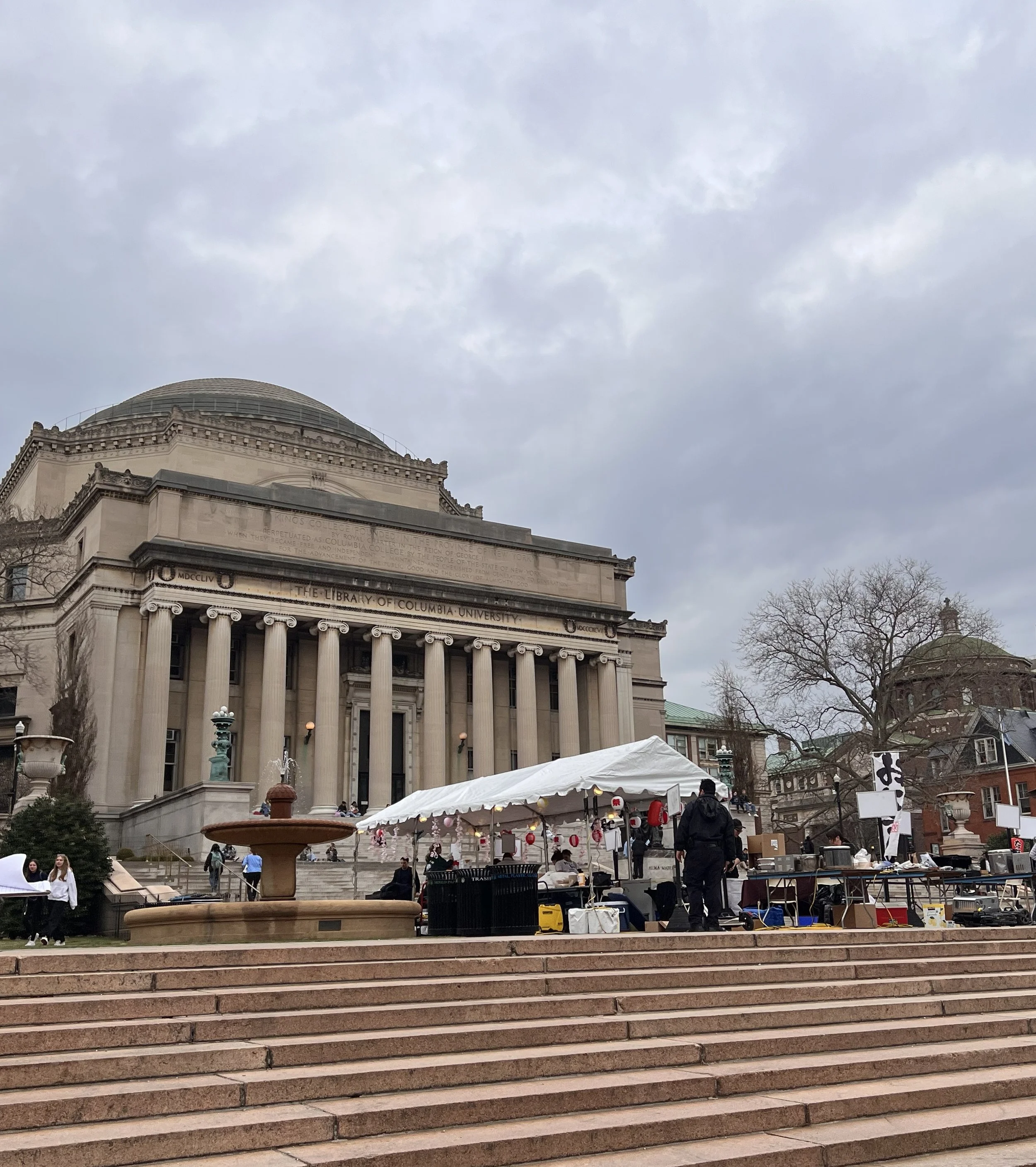
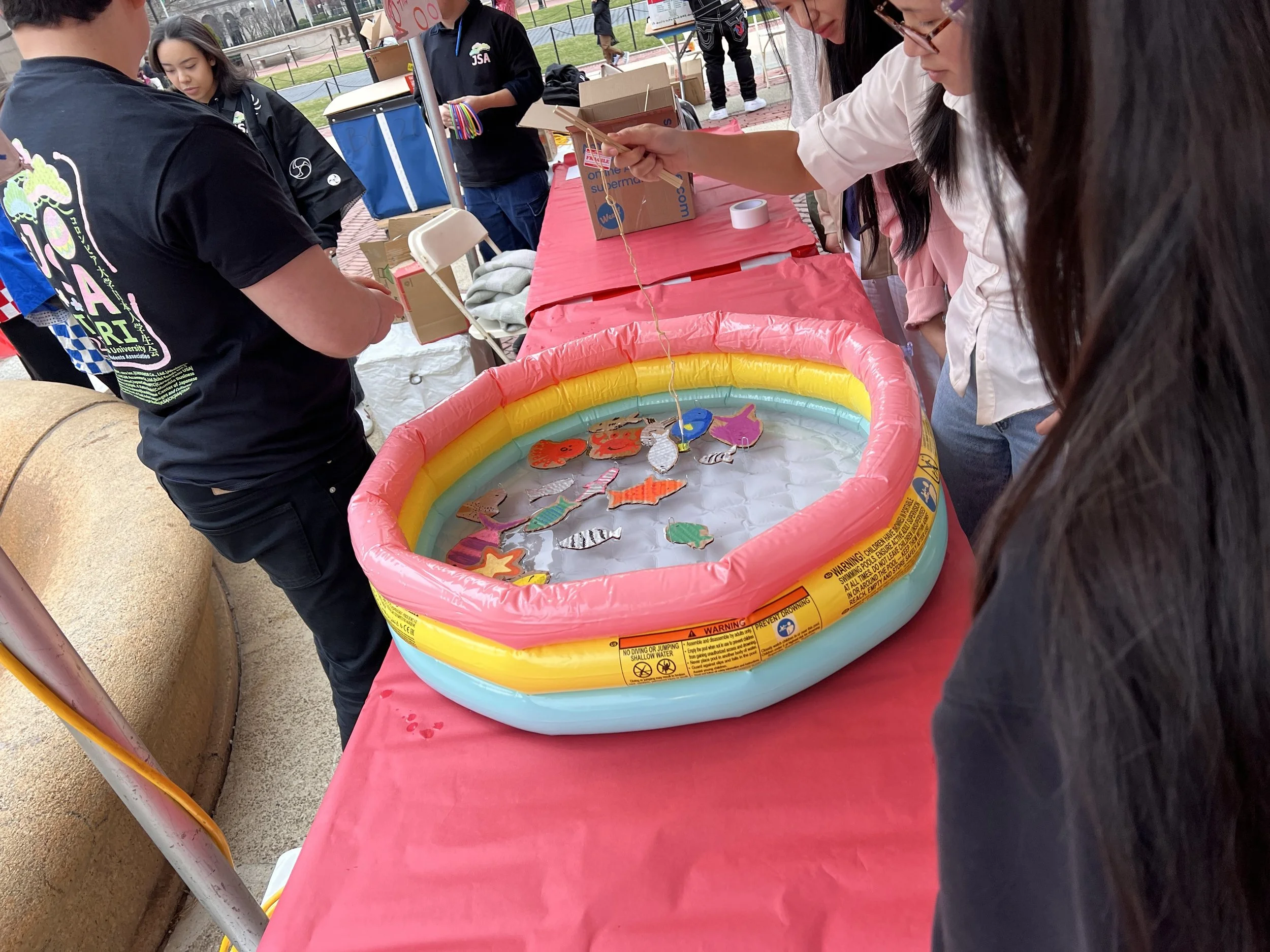
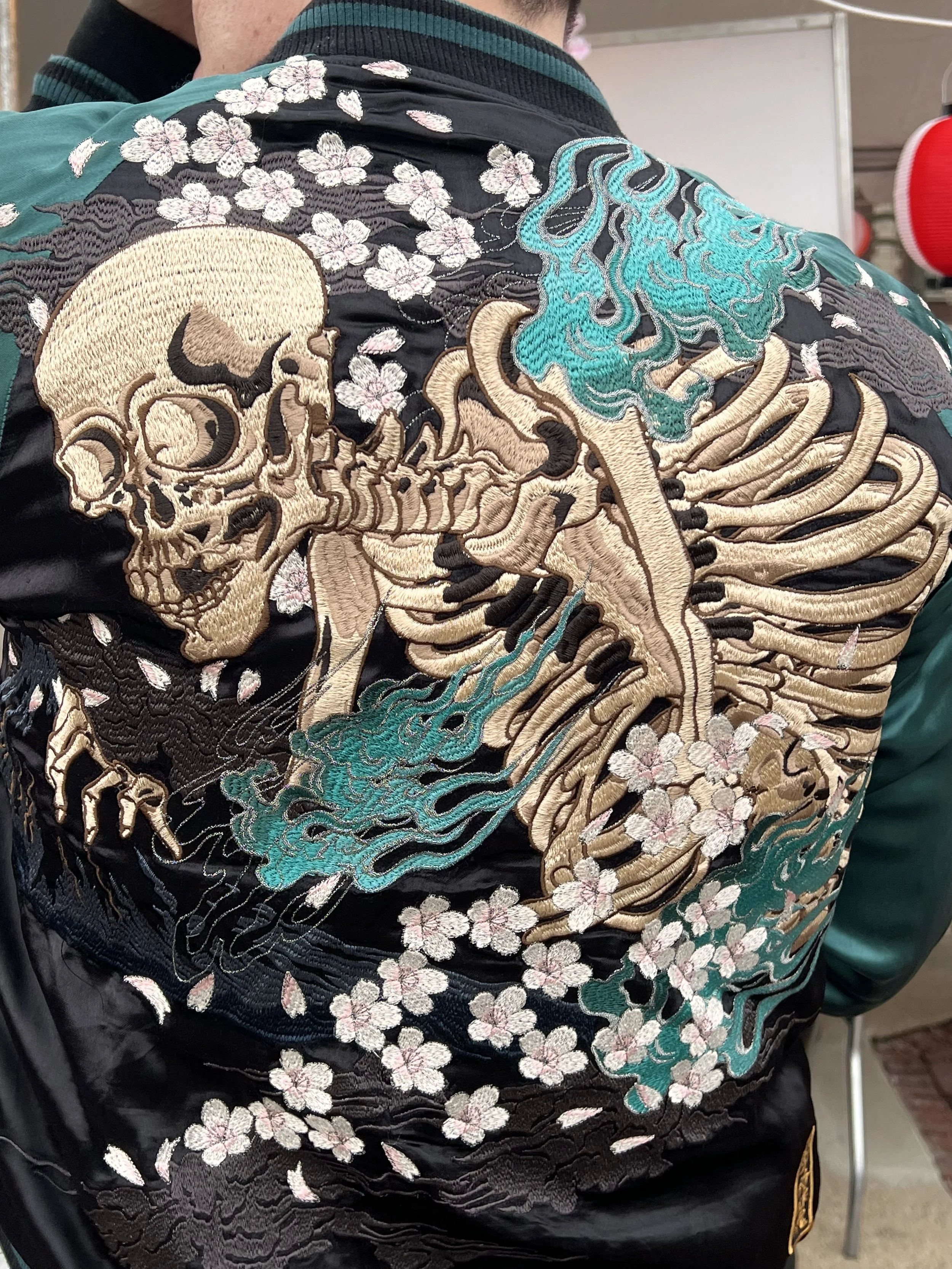
Enjoy this gallery of photos from Matsuri 2025!
About Columbia JSA
The Japanese Students Association (JSA) is an undergraduate student organization at Columbia University, recognized by both the Activities Board of Columbia University and the Student Governing Association at Barnard College. Their mission is to bridge Japanese culture with the broader Columbia community, while also fostering an inclusive space for students of Japanese heritage and anyone interested in Japanese culture within the wider NYC community.
Led by a dedicated board of 12 student leaders, JSA organizes diverse cultural programming throughout the academic year, from intimate dinner socials to artistic showcases. To learn more, please visit their website.
Enjoy JapanCulture•NYC? This site is supported by our community, and a $5/month membership helps offset the costs of keeping it running—so we can continue spotlighting the people and events that make our community shine. Please click here to join.
Celebrating Setsubun in NYC
Setsubun and where to find it in NYC
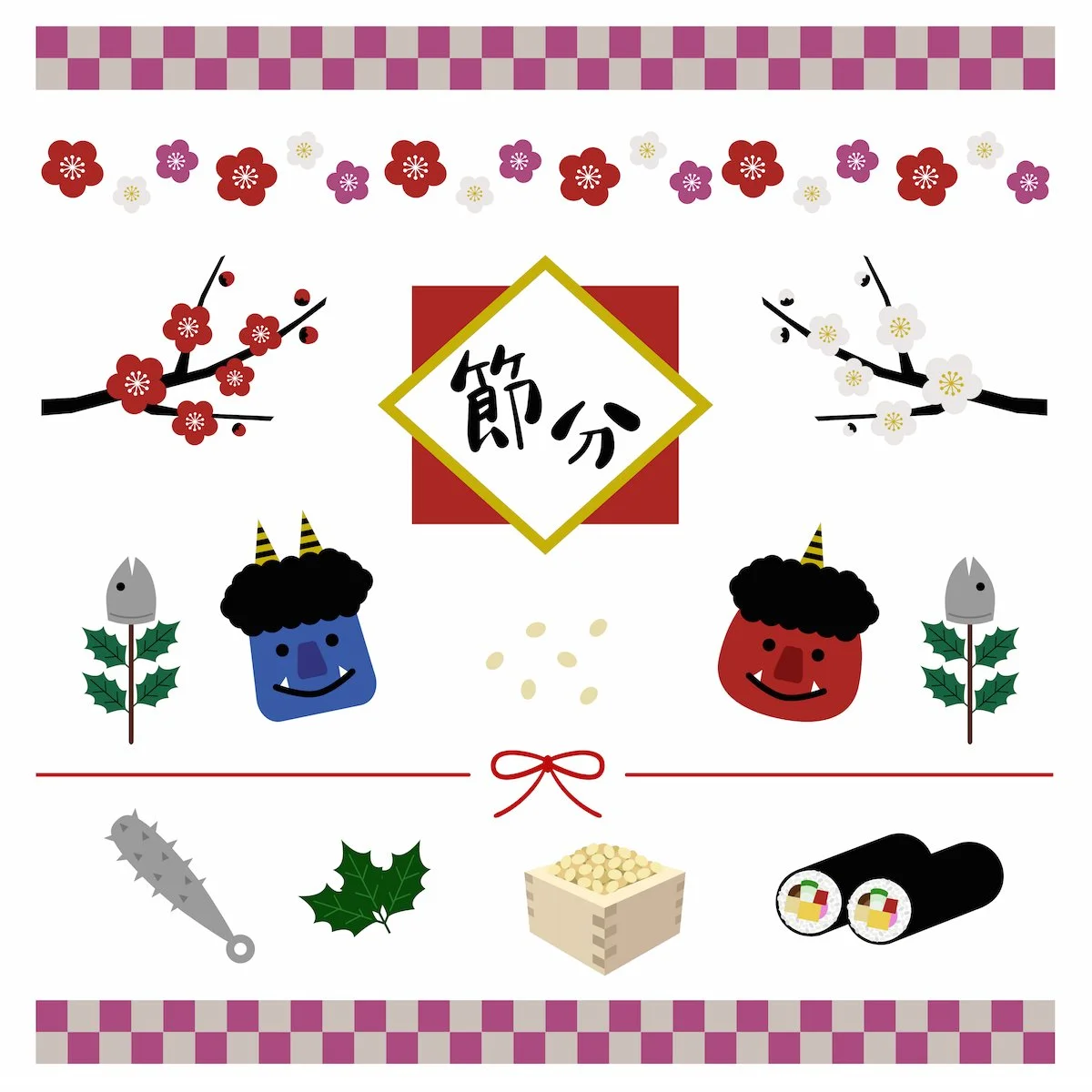
Winter may still have a firm grip on New York, but in Japan the calendar is already shifting. Setsubun marks the quiet threshold between seasons: a moment to reset, brush off lingering misfortune, and prepare for the year ahead. Observed on February 3, the tradition blends ritual, food, and community in ways that feel especially resonant during the coldest stretch of the year.
What is Setsubun?
Literally meaning “season division,” Setsubun falls on the day before spring, at least according to the Lunar calendar. The change is marked with rituals that drive out evil spirits, known as oni, by throwing roasted soybeans (fukumame) and yelling “Oni wa soto! Fuku wa uchi!” (“Demons out! Fortune in!”)
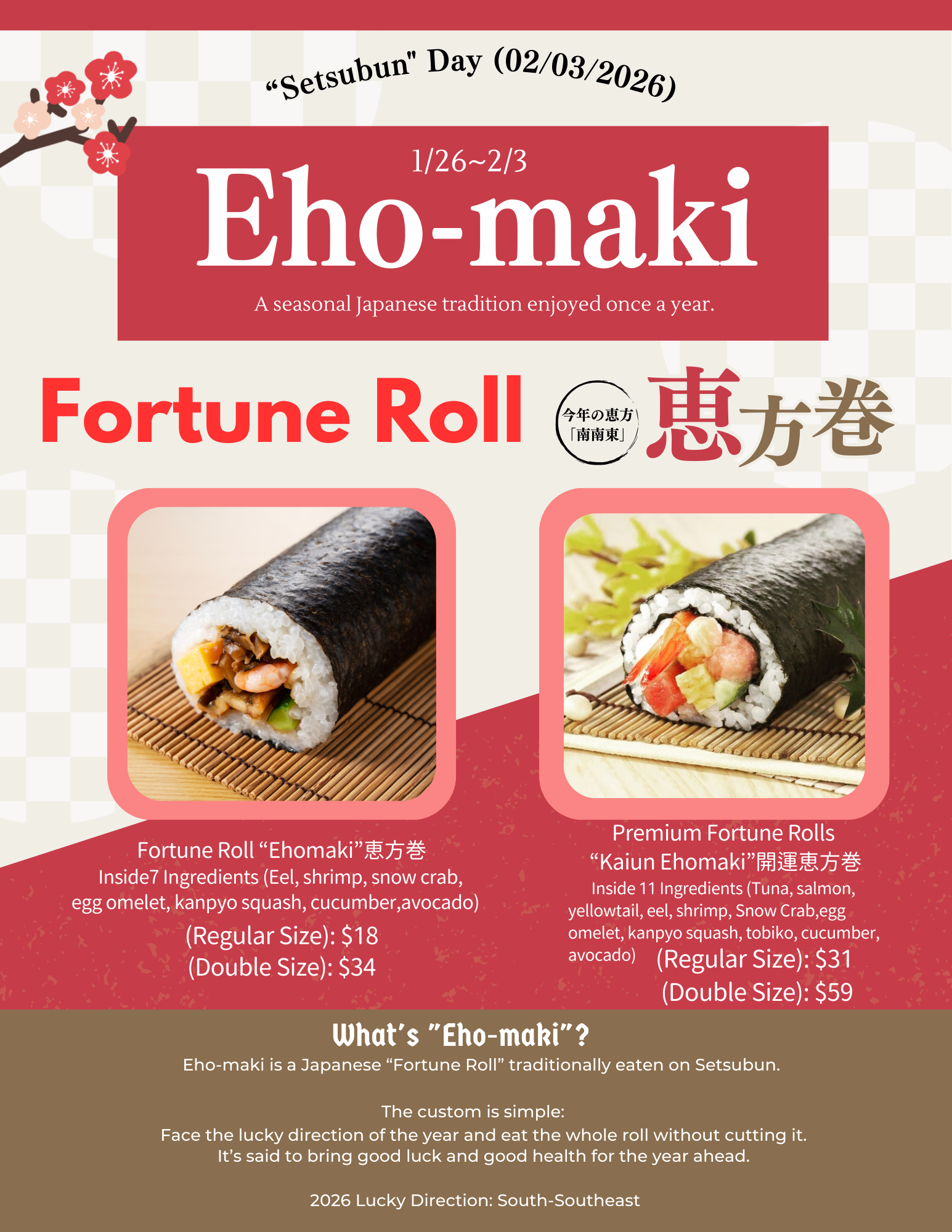
After dispersing the soybeans, it’s customary to count out the number of beans that corresponds to your age—called toshinokazu—and eat them for good luck and good health. Food plays an equally symbolic role in the celebration, particularly ehomaki, thick sushi rolls with fillings that represent good health, prosperity, and happiness.
In New York, these traditions now extend beyond the home, with restaurants and community spaces offering their own ways to observe Setsubun.
Now through Tuesday, February 3
Wasan Brooklyn
440 Bergen Street, Brooklyn
Japanese restaurant Wasan Brooklyn is observing Setsubun with two types of eho-maki. Place your order at the restaurant’s website or visit in person.
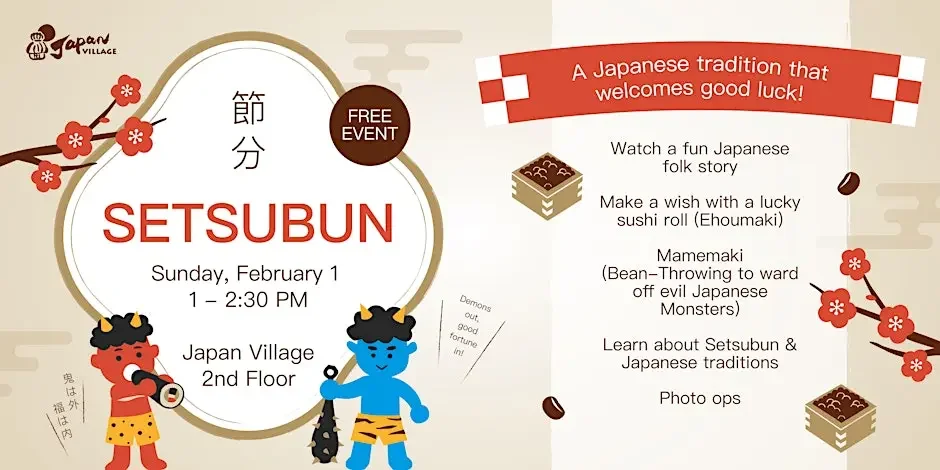
Sunday, February 1
Japan Village
934 3rd Avenue, Brooklyn | 2nd Floor LOFT
1:00 p.m. until 2:30 p.m.
Admission: Free
Head to Japan Village for an afternoon of cultural performances and hands-on traditions celebrating Setsubun. Guests can enjoy music, stories, and hands-on traditions. Learn more at Japan Village’s website.
You can also purchase eho-maki at Obentoyasan in the Japan Village food court on February 1 and February 3.
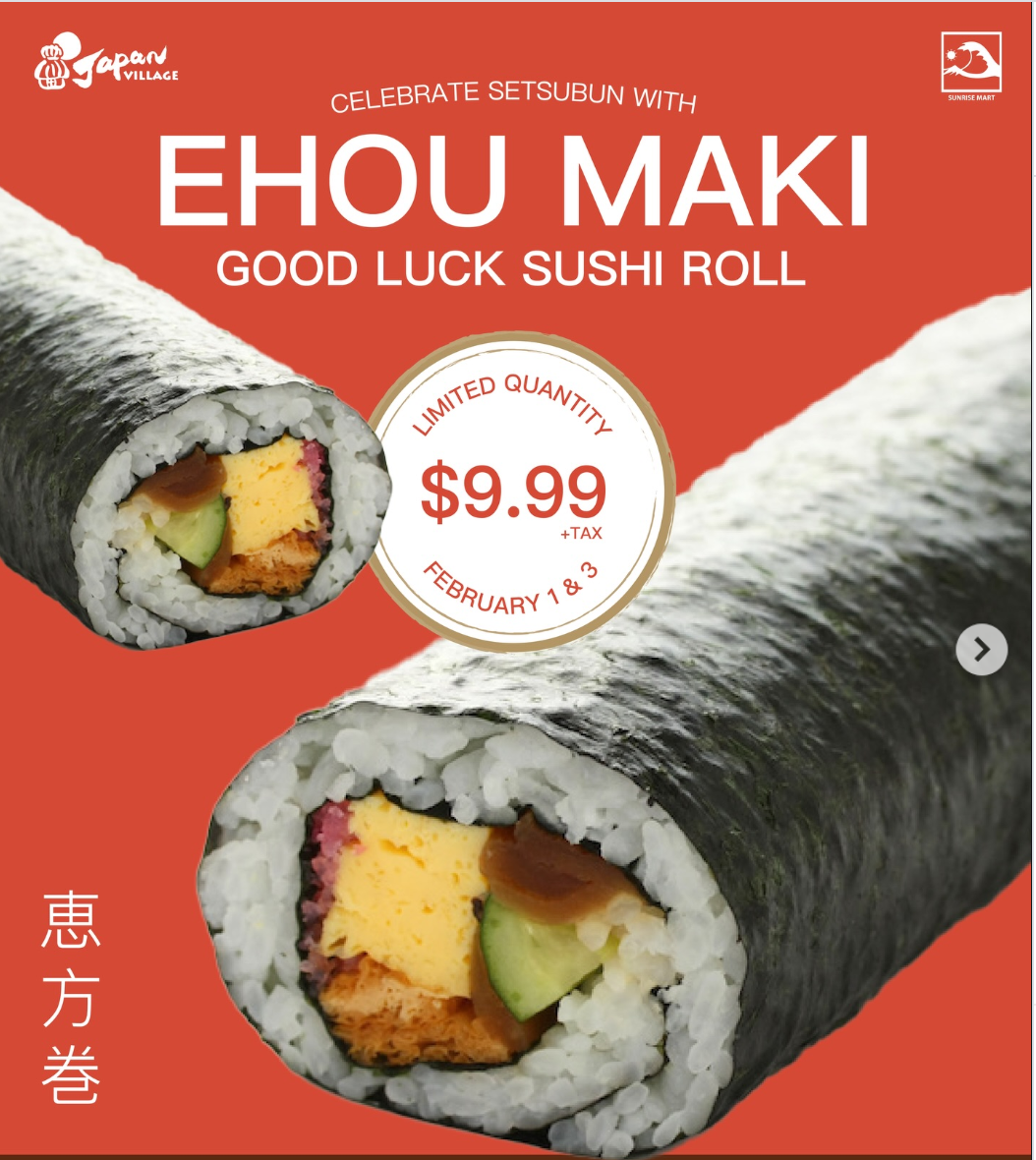
Tuesday, February 3
Izakaya Mew
53 W. 35th Street, Basement
Only on Setsubun, Izakaya Mew will offer their substantial eho-maki in person or delivery. Check out their Instagram post with the details.
Lunch: Noon until 2:15 p.m.
Dinner: 5:00 p.m. until 9:30 p.m.Sunrise Mart
SoHo: 494 Broome Street | 11:00 a.m. until 8:00 p.m.
Midtown: 12 E. 41st Street | 10:00 a.m. until 8:00 p.m.
The Manhattan locations of this popular Japanese grocery store will sell eho-maki on February 3 only.
In whatever way it’s observed, Setsubun is a reminder that the new season has already begun—even if winter hasn’t quite gotten the message yet.
Enjoy JapanCulture•NYC? This site is supported by our community, and a $5/month membership helps offset the costs of keeping it running—so we can continue spotlighting the people and events that make our community shine. Please click here to join.
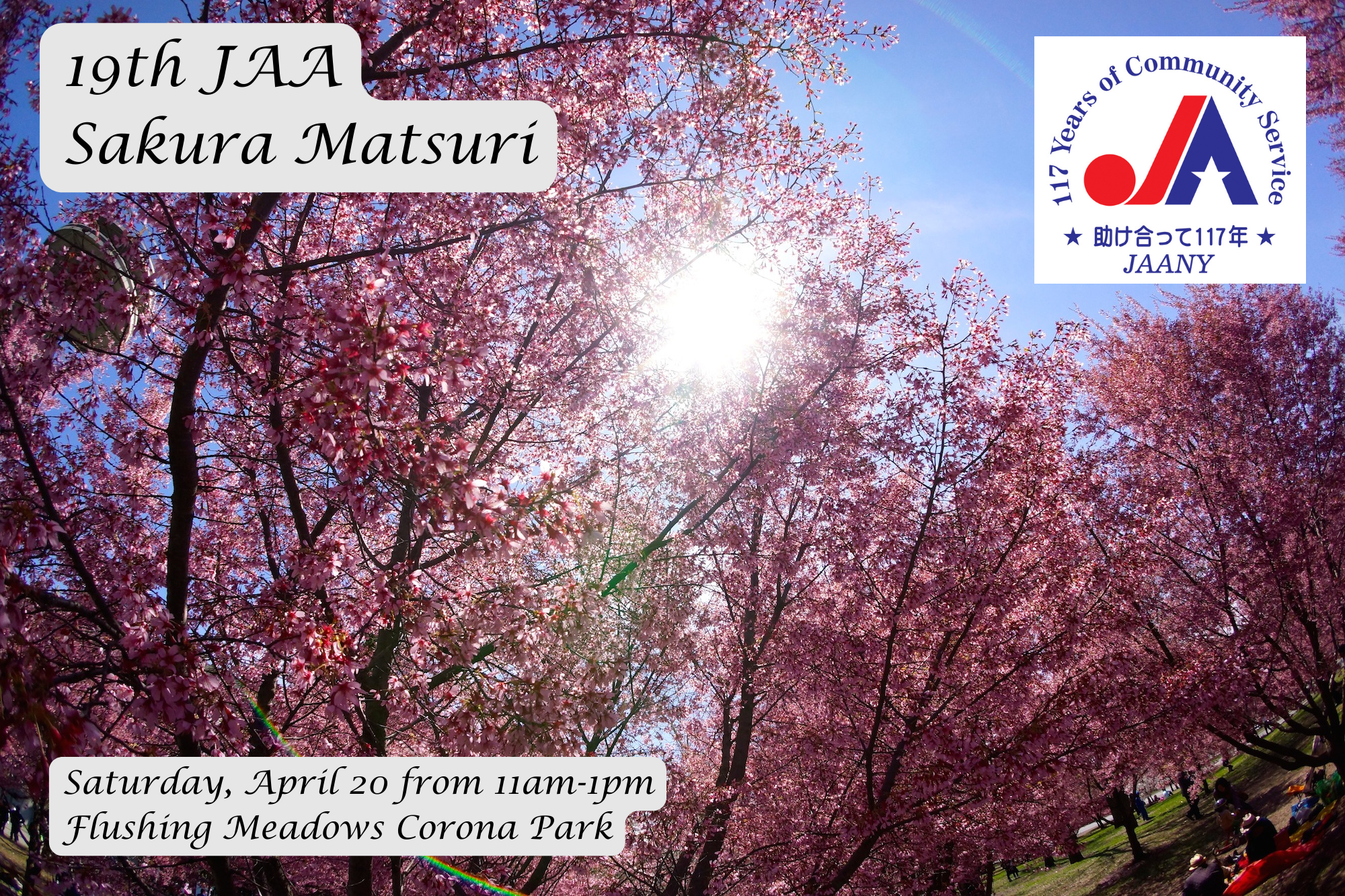
JAA’s Sakura Matsuri in Queens
JAA 19th Sakura Matsuri
Saturday, April 20 from 11:00 a.m. until 1:00 p.m.
Flushing Meadows Corona Park
Admission: Free
The Japanese American Association will hold its 19th Sakura Matsuri at Flushing Meadows Corona Park on Saturday, April 20. The program begins at 11:00 a.m. rain or shine and features performances by taiko drumming group Soh Daiko, the Japanese Folk Dance Institute of New York, the JAA Chorus with Japan Choral Harmony “TOMO,” and the New York Okinawa Club & Jimpu-Kai New York. In addition, there will be a tea ceremony on the lawn by the Urasenke Tea Ceremony Society. Yours truly is honored to serve as emcee.
Bring a blanket and a bento and enjoy the cherry blossoms!
For more information, please visit JAA’s website.

Cherry trees planted by the Parks Department for JAA in Flushing Meadows Corona Park
JAA’s Honorees
This year a cherry tree will be planted in honor of the late Dr. George and Mrs. Kazuko Nagamatsu for their years of generous support of JAA. Dr. Nagamatsu was a pioneering urologist and engineer who was the first Nisei (second-generation Japanese American) to be named Chairman of Urology at a major U.S. medical school when he took the position at New York Medical College in 1957. As a recipient of JAA’s Project Bento initiative during the COVID-19 pandemic, Mrs. Nagamatsu felt a closeness with the organization and named JAA one of the beneficiaries in her will when she passed away in 2021.
The History of JAA’s Sakura Trees
Symbolizing the friendship between Japan and the U.S., in 1912 Japan gave a gift of sakura trees the Washington, D.C., as well as 2,000 sakura trees to New York City, thirteen of which were planted in Claremont Park, now Sakura Park. JAA’s “21st Century New York Cherry Blossom Project” began on Arbor Day, April 24, 1992, at City Hall Park. Sakura seeds donated by The Cherry Association of Japan were presented by then JAA President Shigeru Inagaki to Betsy Gotbaum, then Commissioner of New York Parks. The seeds were nursed in the greenhouses of Van Cortlandt Park, and JAA volunteers planted 168 trees in a design created by the noted landscape artist Kan Domoto with George Yuzawa in 2001. Working in close cooperation with the Flushing Meadows Corona Park staff, JAA has donated and planted hundreds of sakura trees.
Disclosure: The author is a Vice President of The Japanese American Association of New York, Inc. and the chair of JAA’s Sakura Matsuri committee.
Support JapanCulture•NYC by becoming a member! For $5 a month, you’ll help maintain the high quality of our site while we continue to showcase and promote the activities of our vibrant community. Please click here to begin your membership today!
Japan Village’s annual Summer Festival is a free Japanese event that brings together nearly 8,000 attendees for a day of food, games, and cultural performances.